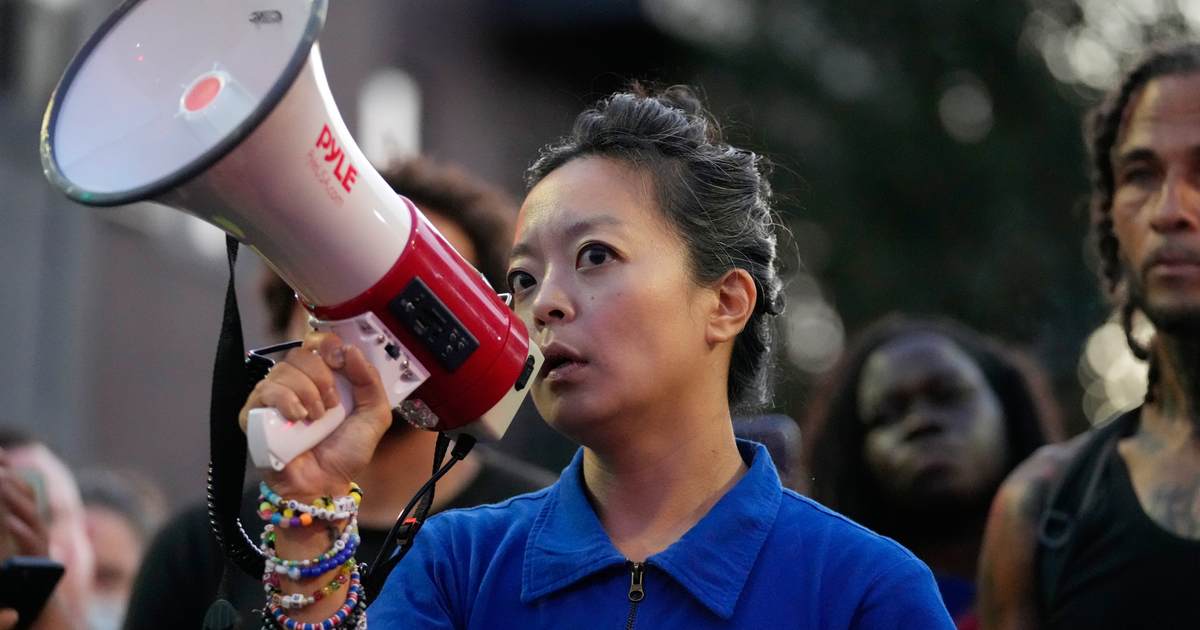
Francesca Hong lost a razor-thin Wisconsin primary by 3,211 votes to David Crowley, and campaign strategists point to one glaring omission: no broadcast TV ads. Analysts say her team leaned hard on social media and digital platforms while leaving traditional television untouched, a choice that may have left older and persuadable voters unreached. The gap between modern digital tactics and old-school broadcast reach looks like it mattered in this close race.
Hong came into the race as a progressive favorite who many expected to run away with the nomination, but she fell short by 3,211 votes to David Crowley. Republicans ran a sustained blitz on her prior remarks, including odd cultural talking points, and her campaign rarely mounted an aggressive counterattack. That passive posture compounded a strategic mistake: skipping broadcast TV buys that still move votes in statewide contests.
The campaign leaned into digital platforms and grassroots organizing, and those tools do work for mobilizing supporters and shaping niche conversations. Yet statewide and primary electorates still include many voters who rely on broadcast TV for political information, especially older Americans who are both persuadable and reliable turnout. With a margin this thin, failing to meet those voters where they are is a self-inflicted wound.
Francesca Hong’s Wisconsin gubernatorial campaign embraced the new era of campaigning for progressive candidates, from a social media-dominated bid to her democratic socialist-influenced policy platform.
But part of her razor-thin loss to David Crowley on Tuesday could be explained by the traditional, or a lack thereof: broadcast TV ad spending.
Despite leading the Democratic field by double-digit margins before the primary, Hong was the only active candidate to seek the governorship without running broadcast TV ads, according to ad-tracking service AdImpact.
Some strategists think the Hong campaign’s decision to focus on digital platform advertising ultimately led to its demise, costing her key parts of the electorate.
“In a primary, voters are more persuadable,” Democratic strategist Jared Leopold told NOTUS. “Especially in a smaller primary, it’s a mistake to try to narrow cast too much because you actually do need to hit a wider swath of a primary electorate, because more people are likely to change their votes at the end than in a general election.”
[…]
Exit polls show Hong won several counties helmed by colleges and certain cities like Green Bay, while Crowley swept the majority of Wisconsin’s rural districts, as well as Milwaukee County and its suburbs. Hong, however, appeared to overperform in rural counties in the state’s northwest — including St. Croix and Douglas — which also happen to sit in Minnesota media markets that saw fewer political ads on linear broadcast channels.
Even so, Hong’s lack of broadcast ads likely cost her blocs like older voters who can drive turnout, strategists say.
“It’s a mistake to not communicate with a part of the electorate,” Leopold said. “There’s still a lot of people, particularly older people, who watch a lot of TV.”
Exit polling and county-level splits underline how different media markets and viewing habits matter. Hong did well around college towns and in some cities, but Crowley cleaned up in much of rural Wisconsin and in Milwaukee’s suburbs — areas where broadcast reach and repeated TV messaging carry weight. Relying on targeted digital slices without a broad, repetitive TV presence left key voters untouched.
From a Republican viewpoint, the results are a reminder that old-school tactics still pay dividends, especially in tight races. Digital ads are efficient and measurable, but they don’t replace the ubiquity and daily frequency of broadcast messaging that reaches swing and older voters. In a contest decided by a few thousand votes, frequency and reach matter more than theater and viral moments.
The campaign’s reluctance to fight back on traditional turf also mattered. When opponents roll out rapid-fire negative ads on TV, failing to answer in the same medium allows those narratives to sink in. Punchy social posts are great for supporters, but they rarely erase a television line delivered repeatedly over a week to households across a region.
Looking ahead, parties and candidates of every stripe should take the Wisconsin result as a cautionary tale: mix media strategies, cover all age brackets, and don’t assume online persuasion replaces linear exposure. When margins are tight, leaving a channel dark is a gamble you might not win.