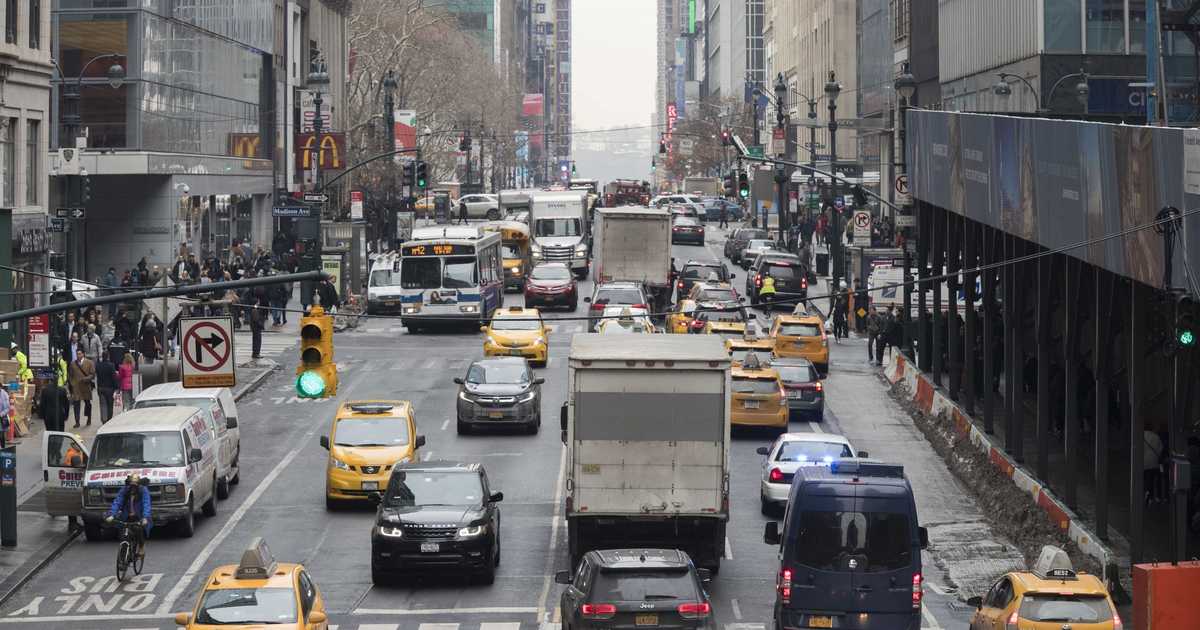
One year after New York rolled out congestion pricing in Manhattan, the promised cleaner air and less gridlock have not shown up in citywide air quality gains, and the policy is already drawing sharp criticism for its cost to drivers and small businesses.
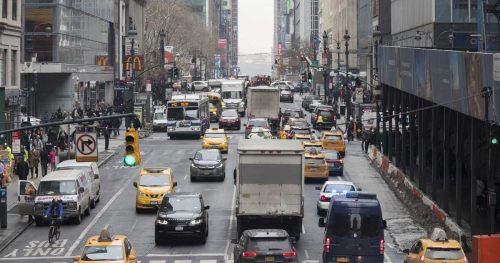
In late 2023, New York implemented a congestion fee that charges drivers to enter Manhattan’s central business district. The policy was sold as a way to reduce traffic and pollution while funding transit improvements. Instead, the results so far are underwhelming and the political fallout is real.
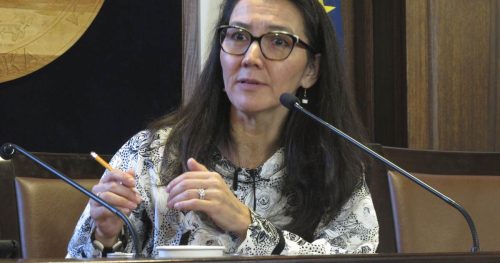
Governor Kathy Hochul officially framed the move as an environmental win, saying, “Congestion pricing means cleaner air, better transit and less gridlock on New York City’s streets and today’s vote by the MTA Board is a critical step forward. The proposal approved today heeds my call to lower the toll rate by nearly 35 percent from the maximum rate originally considered.” That selling point has been a cornerstone of the program’s defense.
Federal officials weighed in too. Transportation Secretary Sean Duffy publicly criticized the plan and tried to halt it, calling the policy a “slap in the face to working class Americans and small business owners.” That line captures how many residents feel: taxed and ignored while promises go unmet.
After a year, independent health monitoring and city data show no dramatic citywide air quality improvement tied to the toll. The most comprehensive look at traffic pollutants — including PM 2.5, nitrogen oxides and black carbon — has not produced the clear environmental win proponents promised. Whoops.
One year of congestion pricing in Manhattan has not dramatically improved air quality citywide, but nor has it worsened pollution in neighborhoods like the South Bronx where some predicted drivers would detour to avoid tolls.
That is the key finding of a report released Friday by New York City health officials, providing what it said was the most comprehensive evaluation to date of four traffic-related pollutants including PM 2.5, the fine particulate matter produced by fuel-burning vehicles and other sources. The report also examined nitrogen dioxide, nitric oxide and black carbon.
“Before we turned the cameras on, there was concern about the potential for increased pollution caused by drivers looking to avoid the toll,” said MTA Chair and CEO Janno Lieber, in the release. “As this study confirms, that didn’t happen, and congestion pricing is already funding additional investments to further improve air quality.”
https://x.com/Newsday/status/2088758888929673315
That official line — that the tolls are funding fixes that will later produce cleaner air — feels like a promise to be kept in installments. Residents paid more at the tollbooth upfront, and now they are told benefits are still to come. For many, that is not a satisfactory trade.
New Yorkers were told the charge would unclog streets and cut pollution, but the short-term reality is increased costs for commuters and local businesses. The program’s defenders highlight longer-term transit projects the fees will support, yet the immediate pinch is what people experience when they get hit with another tax at the end of the month.
Some neighborhoods feared drivers would divert around toll zones and push pollution into poorer communities; the report says that surge did not materialize in a dramatic way. That finding is welcomed, but it does not erase the broader complaint: the tolls were sold as a fast environmental fix, and the fast fix did not appear.
Political theater has played a role too. The city and state moved forward despite clear and vocal opposition from many residents, and federal pushback became part of the story. The policy has become another example of elites insisting a plan is both fair and effective before hard evidence supports that case.
Public trust is the casualty here. People are right to ask why a new tax was implemented when the promised benefits remain uncertain. This debate includes national figures and local leaders alike, and it is now part of a larger fight over who gets to decide transportation policy and who pays for it.
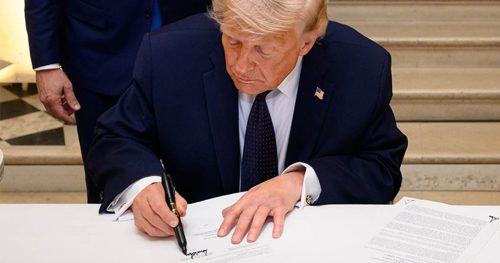
At the moment, Manhattan keeps collecting the charge while officials point to future investments as justification. Critics say that’s not enough; accountability and measurable outcomes were promised, and they have not materialized in the first year. This includes President Trump and Secretary Duffy, who have both been part of the conversation around stopping or scaling back the plan.
Voices across the city are skeptical, and the political battle over congestion pricing is far from over. For now, the policy remains in place and its defenders insist on a long game while many New Yorkers face an immediate new expense in their daily lives.
Officials will continue to point to eventual transit upgrades and promised environmental gains, but patience is limited when household budgets are already stretched. The first-year numbers did not deliver the simple, direct benefits that were loudly promised up front.
Frustration is building because the tax went into effect before people saw clear, measurable improvements. That gap between promise and payoff is why many call the program a failure so far.