This article examines the fallout from a classified disclosure about a secret White House bunker and argues that leaking that information undercuts security, weakens the public case for the new Trump ballroom, and raises serious accountability questions about the officials and media involved.
The headline claim is simple and shocking: someone exposed the existence of a hardened bunker beneath the White House, and a major national outlet ran the story. That disclosure didn’t just undercut an argument made in court over the need for a new ballroom, it potentially endangered the president and everyone in the presidential line of succession by revealing sensitive security details.
President Trump has argued that the planned $600 million ballroom is about more than vanity; it’s about safe, controllable venues where the Secret Service can do its job without improvising tents and porta-johns on the South Lawn. He’s right to point out real vulnerabilities: the Washington Hilton is a historical reminder of how exposed presidents have been, and a chaotic venue makes protecting large gatherings far harder in practice.
The administration’s legal pitch was that a modern, secure facility at the White House would solve predictable problems. Opponents have tried to portray the project as unnecessary extravagance, and now a leak claiming that a separate underground shelter already exists has been used to argue the ballroom isn’t needed. But the leak itself is the real scandal, not the policy debate.
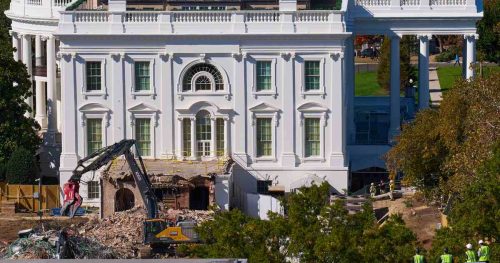
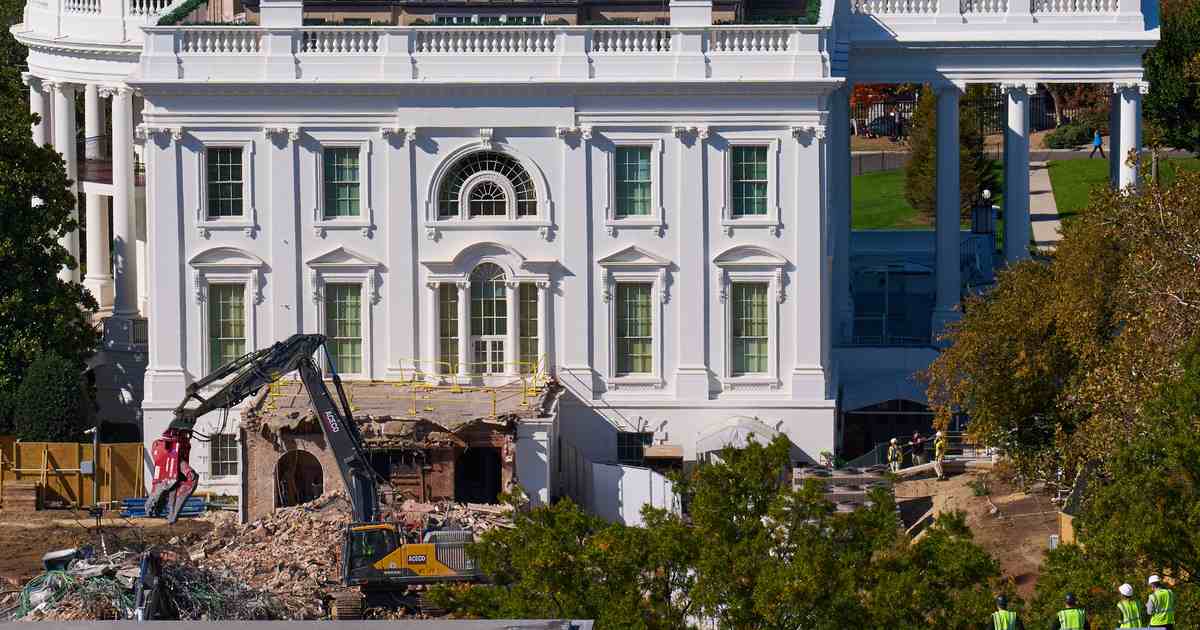
President Donald Trump has claimed that the White House needs a massive new ballroom because it would provide him and future presidents with a secure, hardened facility. But former officials say the argument fails to acknowledge that the presidential complex already has one.
More than a decade ago, federal officials built a highly protected bunker, embedded deep underground, that can shelter the president and his top aides in a national security emergency, according to three former officials.
The facility, which was secretly completed during the Obama administration, can house dozens of people for up to multiple weeks, two former officials said. It’s buried more than 60 feet underneath the White House complex and built to withstand a nuclear blast, two of the officials said, ensuring the president and his team have a secure command center to run the country in times of extreme duress.
The bunker’s existence, the former officials said, undercuts the Trump administration’s emerging legal argument in the ongoing lawsuit over the $600 million ballroom complex’s construction: that the facility must be completed due to its significance for U.S. national security.
The people spoke on the condition of anonymity to discuss elements of the secretive facility, some of which have not been previously reported.
The Washington Post is withholding some details of the bunker and its construction in order to not compromise sensitive White House security protocols.
Take a step back and consider the implications. If true, the bunker’s construction could change the calculus on whether the ballroom is essential. But the bigger point is this: who authorized or facilitated the leak of that information to the press, and why would anyone think scattering classified or sensitive details into the public square is wise?
Leaking details about secure facilities is not a policy argument, it’s a security breach. The line between whistleblowing and recklessness matters. If the motivations were political, the act borders on sabotage. If the motivations were bureaucratic defensiveness, the result is still the same: potential harm to the safety of the presidency and national command-and-control capabilities.
There are other concrete risks to note. Large, public events with joint attendees and dignitaries create concentrated targets. The White House Correspondents’ Association Dinner is one example where a crowded ballroom could be a vulnerability. The Secret Service’s assessment of venues and their protection plans rely on operational secrecy, not public debate over classified layouts and shelters.
Accountability is the right response. Officials who possess classified knowledge have clear obligations about disclosure, and media outlets have responsibilities when handling national security reporting. Naming facilities and publishing details that could reasonably degrade protective measures demands scrutiny, oversight, and, where appropriate, legal action.
The politics here are obvious and raw: opponents will use this leak to attack the ballroom project, while supporters will argue the leak itself proves a hostile bureaucracy bent on blocking legitimate presidential needs. Both sides can be sharp, but the practical issue should override the theatrics — safeguarding the institution of the presidency and the people who staff it.
We should demand that sensitive security facts stay in secure channels unless there is an undeniable public-safety reason to reveal them, and that any leaks be investigated fully. The facts about whether a bunker exists, who authorized its disclosure, and what harm resulted need answers from responsible authorities, not smears or media grandstanding.
At base, this episode exposes a deeper problem: an intersection of bureaucratic secrecy, political warfare, and media incentive structures that reward scoops over prudence. The right line to draw is not between loyalty and dissent but between lawful, responsible oversight and actions that meaningfully degrade national security.