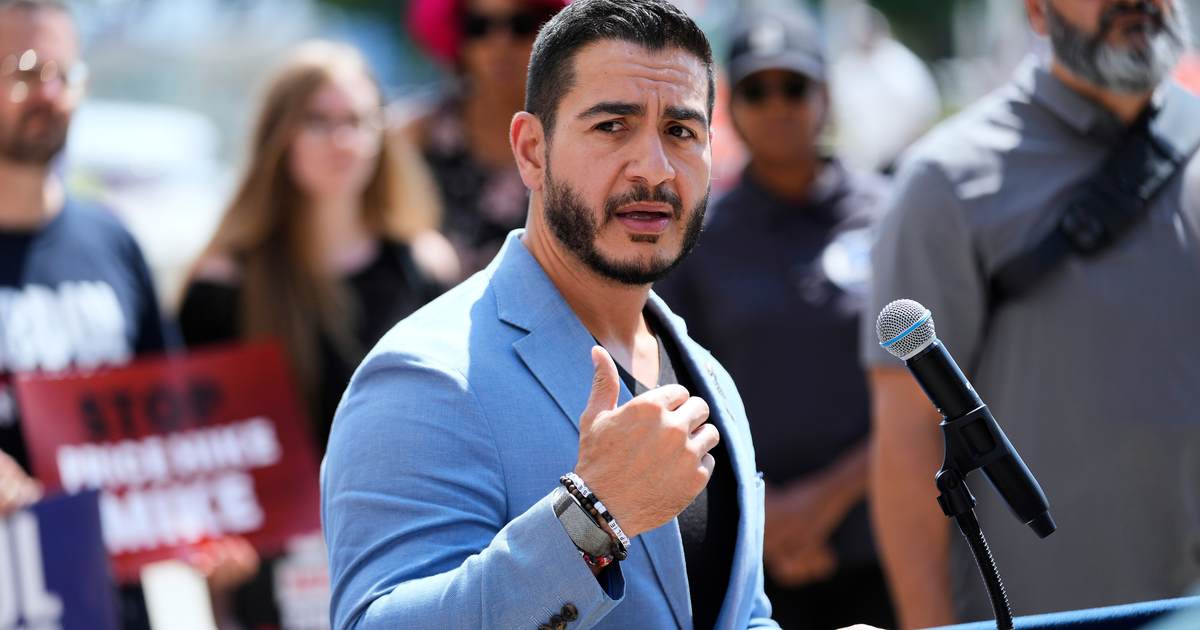
A cleric tied to the Muslim Brotherhood credited the Oct. 7, 2023 attack — calling it the “Al-Aqsa Flood” — with advancing the political fortunes of two American Muslims, and that claim has intensified scrutiny of their statements and associations.
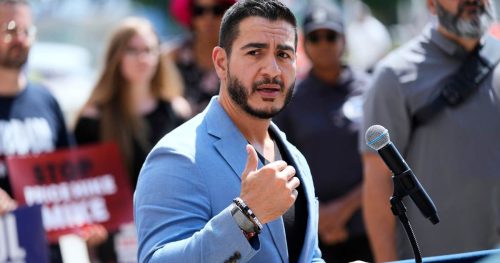
A cleric connected to the Muslim Brotherhood publicly said the rise of two Muslim figures in U.S. politics flowed from the Oct. 7 massacre. The comment singled out Zohran Mamdani and Abdul El‑Sayed as beneficiaries, tying their electoral momentum to the violence overseas.
The cleric in question is Ali al‑Qaradaghi, who serves as secretary general of the International Union for Muslim Scholars based in Qatar. In August he explicitly linked the “Al‑Aqsa Flood” to recent election outcomes, a claim that has reverberated through political conversations here.
The “Al-Aqsa Flood” is the codename for the Oct. 7, 2023 massacre that killed about 1,200 people in Israel. That casualty figure and the violent nature of the attack have made any public praise or apparent justification especially inflammatory in American discourse.
Qaradaghi was quoted saying, “If not for the Al-Aqsa Flood and if the Zionists were not put to shame, what is happening in Europe and America would not be happening,” which directly links the violent event to shifts in Western politics and public sentiment.
He also told listeners, “Mamdani would not have become governor of New York State [sic] and Abdulraham El-Sayed would not have defeated a campaign worth $73 million,” and went on to say, “These are the blessings of the Al Aqsa flood.” Those were striking words that framed the attack as a catalyst providing political advantage.
Both Mamdani and El‑Sayed have faced criticism over alleged ties and comments that opponents say edge toward sympathy for violent actors. That scrutiny has intensified after high‑profile incidents and reports tying rhetoric to broader networks or narratives.
https://x.com/nypost/status/2096275211247104201
One flashpoint involved a March attack at Temple Israel Synagogue and School in Michigan, where a would‑be attacker drove a truck into a building and allegedly targeted about 140 children. Critics pressed El‑Sayed over remarks they saw as insufficiently condemnatory, and the episode sparked a public apology.
El‑Sayed pushed back, characterizing the human toll behind violence while acknowledging the sensitivity his remarks caused. He said, “hurt people hurt people. Violence is a cycle. Ayman Ghazali lost family, including two children, in an airstrike in Lebanon last week. They were innocent people.”
He followed that with a clearer apology to reporters, noting, “My comments may have been misconstrued to justify something I did not mean to justify,” and added, “To anyone who feels like my comments might have been hurtful, I’m really sorry. That was not my intention.” Those lines were an attempt to walk back the fallout and reframe his intent.
Meanwhile, Mamdani has also drawn controversy for outreach and rhetoric critics label problematic. In July, an official connected to his office sought contact with Iranian representatives, and Mamdani publicly vowed to seek arrest of Israeli Prime Minister Benjamin Netanyahu should the prime minister visit New York for the U.N. General Assembly, a pledge that alarmed both foreign policy observers and domestic critics.
The combination of praise from a Muslim Brotherhood‑linked cleric and independent actions or comments by the two politicians has created a politics‑heavy dialogue about influence, allegiances, and the optics of leadership. Conservatives and opponents have used the cleric’s statements to argue for closer scrutiny, while supporters say context and intent matter.
As the story continues to circulate, the quotes and public reactions remain central to how each figure is perceived. The debate highlights how foreign events, inflammatory commentary, and local political ambitions now collide in American elections and media cycles.