Wisconsin’s Department of Public Instruction held a costly four-day waterpark retreat to “redefine student proficiency,” then clamped down on information while taxpayers and watchdogs pressed for answers.
Two weeks ago reporting surfaced that the Wisconsin Department of Public Instruction spent public money on a four-day junket at a waterpark to “redefine student proficiency.” The setting and the price tag raised immediate concern among parents and legislators who expect accountability for education dollars. That concern only deepened once participants were told to stop talking about what happened at the workshop.
The agency imposed a gag order on attendees, shielding details about who advised the process and what they actually recommended. Investigative reporters located records that include the language “documents concerning the ‘standard setting’ process used to redefine what it means for a Wisconsin student to be ‘proficient’ in reading and math.” Those records suggest this was not a routine technical adjustment but a politically sensitive rewrite of benchmarks.
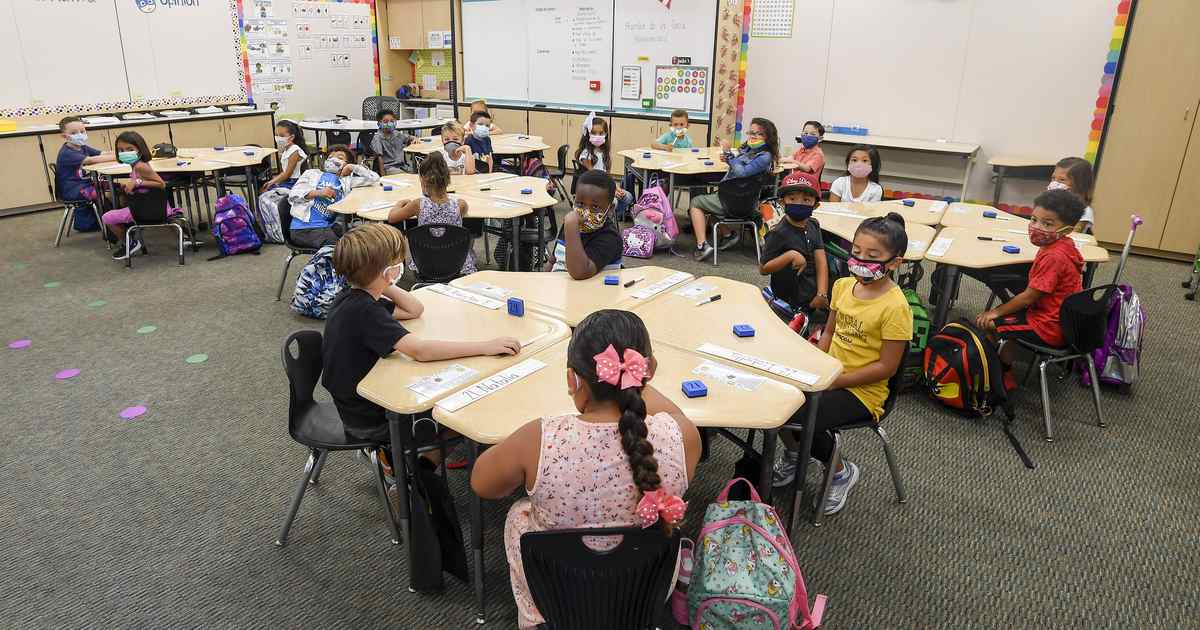
Under the new method the state used, reported proficiency rates jumped 12 percent, and the department now says a majority of students “meet expectations.” That sudden improvement looks less like sudden learning gains and more like a standards shift that conveniently alters public performance metrics. Parents deserve clarity about whether standards were softened to manufacture a better-looking report card.
Superintendent Jill Underly promised transparency last year, but public documents and direct questions have produced few answers so far. In response to media inquiries Underly said, “The department updated achievement benchmarks for the Forward exam this summer in a transparent process, and reflecting the recommendations of nearly 100 experts from across the state, I accepted the recommendations of these professionals after they carefully determined how to measure student performance according to Wisconsin’s rigorous state standards.” That statement raises more questions than it settles when the identities, selection process and costs remain hidden.
The Dairyland Sentinel asked the DPI who the so-called experts were, how they were chosen, and what the retreat actually cost taxpayers. The agency has not provided a full accounting of attendees, travel and lodging expenses, consultant fees, or the agenda that justified a four-day out-of-office event. Silence on those basic points looks like obstruction, not oversight.
Remember how we got here. Wisconsin’s state superintendent was ducking responsibility for changes in the benchmarks to the state’s forward exam. pic.twitter.com/7OkhSm1wuQ
— Dairyland Sentinel (@DairylandSent) February 17, 2026
Efforts to pry open the process have met a wall. They have not gotten any answers as the DPI continues to stonewall the public. — Dairyland Sentinel (@DairylandSent) That kind of official evasiveness fuels suspicion that political considerations, not honest academic judgment, guided the outcome.
The Institute for Reforming Government is partnering with The Dairyland Sentinel to pursue records and force transparency through public records requests and legal pressure. That group warned harshly about the pattern they see: “DPI owes the public a basic accounting of its use of hundreds of thousands of taxpayer dollars to fund an extravagant retreat, to say nothing of its dilution of statewide proficiency standards to hide poor academic performance. But if DPI also broke Wisconsin’s Public Meetings law in conducting these activities in secret, serious practical consequences could follow.”
Taxpayers are owed a clear line-item accounting of all spending tied to the retreat, including invoices and contracts with outside consultants. School funding is finite, and parents rightly expect those dollars to support classroom instruction rather than subsidize closed-door events that alter assessment rules. Every budget line matters when districts already struggle to staff classrooms and manage rising costs.
The change to Forward Exam benchmarks demands concrete explanation about methodology and safeguards against political manipulation. Were statisticians and content experts speaking openly, were their debates recorded, and did independent reviewers validate any decisions? Without that procedural transparency, changes to proficiency thresholds look engineered to mask persistent gaps in reading and math.
State officials who approve shifts in assessment standards should be prepared to testify publicly and release the working papers behind any change. Lawmakers and the public need access to the participant list, minutes, and any advice or models used to justify the 12 percent swing in proficiency. Accountability is not optional when public trust is on the line.
Parents and advocacy groups will continue pushing for records and answers until the DPI lifts its gag order and shows its work. This is about facts, not spin: if students are genuinely improving, release the evidence and let communities verify it. If the benchmarks were watered down, Wisconsin citizens deserve to know who approved that trade-off and why it was kept behind closed doors.