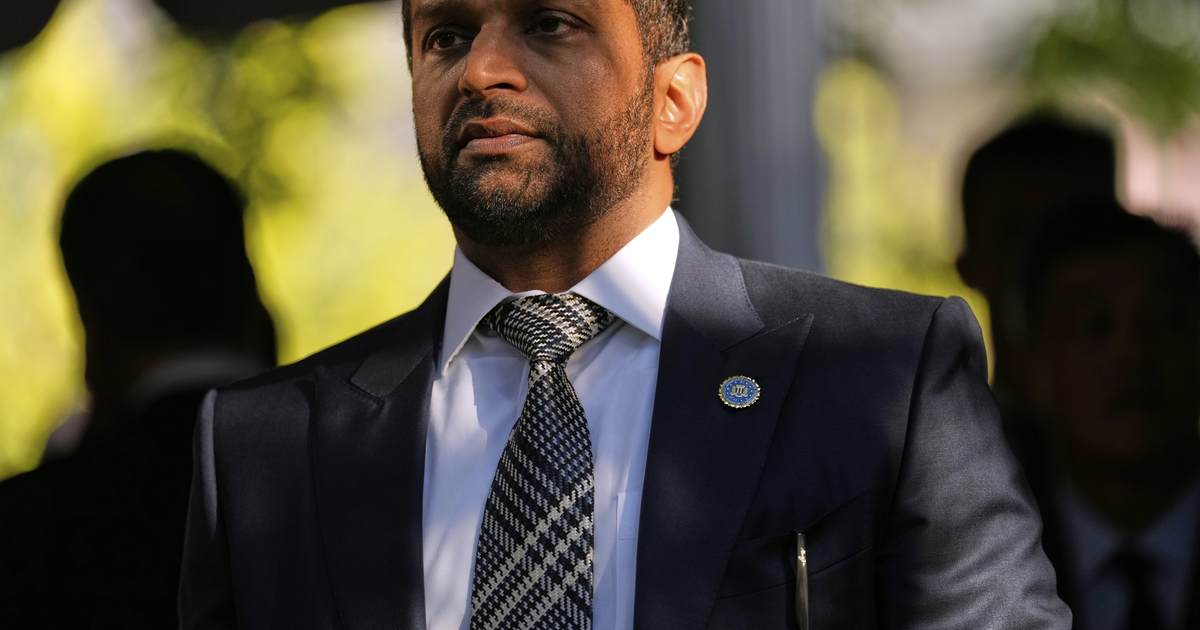
Summary: The Atlantic published a damaging profile of FBI Director Kash Patel that few outlets embraced, prompting legal action and public pushback that now casts doubt on the magazine’s reporting.
It was always worth a raised eyebrow when a single outlet ran a sensational claim that other outlets declined to touch. Patel’s legal team moved quickly, filing lawsuits that made clear the subject was not taking the allegations lying down. When reputable papers hesitated, the story lost momentum fast.
Accusations of alcohol abuse against a public official would normally draw intense coverage in Washington, so the silence from many outlets is telling. The Atlantic, which has a track record of hostile reporting toward Trump-era figures, pushed the piece anyway. That gamble has not gone the way the magazine hoped.
Reuters later signaled it could not independently confirm the core claims, noting confusion over the piece’s online title change and the publication’s handling of denials. The report also described Patel’s legal team asserting the outlet ignored a demand to respond to a list of alleged incidents.
Here we go, more outlets unable to confirm @TheAtlantic and @S_Fitzpatrick’s reporting that @FBIDirectorKash has a drinking problem that poses a security threat.
For @MorningWire today I spoke to on-the-record sources like @DissidentClint who have worked very closely with Patel… pic.twitter.com/lTb3fccnhH
— Megan Basham (@megbasham) April 20, 2026
The article, which the Atlantic subsequently titled “The FBI Director Is MIA” in its online version, reported that during Patel’s tenure, the FBI had to reschedule early meetings “as a result of his alcohol-fueled nights” and that Patel “is often away or unreachable, delaying time-sensitive decisions needed to advance investigations.”
In the Atlantic’s story, the White House, the Department of Justice and Patel denied the allegations. The article included a statement from the FBI attributed to Patel, “Print it, all false, I’ll see you in court—bring your checkbook.”
“We stand by our reporting on Kash Patel, and we will vigorously defend the Atlantic and our journalists against this meritless lawsuit,” the Atlantic said in a statement.
Reuters could not independently establish the accuracy of the article or why the publication changed the title.
[…]
The lawsuit alleges the Atlantic ignored the FBI’s denials and did not respond to a Friday letter from Patel’s lawyer Jesse Binnall to senior editors and the Atlantic’s legal department asking for more time to refute the 19 allegations the reporter told the FBI’s press office she would be publishing.
Patel is seeking $250 million in damages as he challenges the piece in court, a figure that underscores how seriously he views the reputational harm. The reporter named on the story, Sarah Fitzpatrick, was previously among those who amplified the Julie Swetnick claims during the Kavanaugh confirmation, a history critics point to when questioning this new article’s judgment. Those prior missteps matter when reputations and careers are on the line.
The Atlantic’s defensive posture—saying it will “vigorously defend” the reporting—does not erase the practical reality that the story failed to persuade other outlets to dig in. In media, traction matters; when a sensational claim lacks corroboration, the smart move is caution, not spectacle. The magazine’s choice to run the piece anyway has invited legal and reputational consequences.
The pattern here is familiar: a splashy allegation, weak independent verification, and then a rush to courtroom answers. Patel’s team says he will see them in court, and the lawsuit will force a factual review far beyond what a single article can resolve. That judicial process will be the real test of whether this was a justified exposé or an overreaching hit piece.