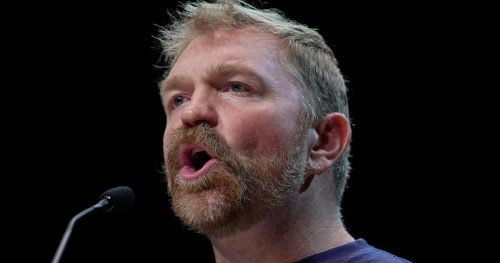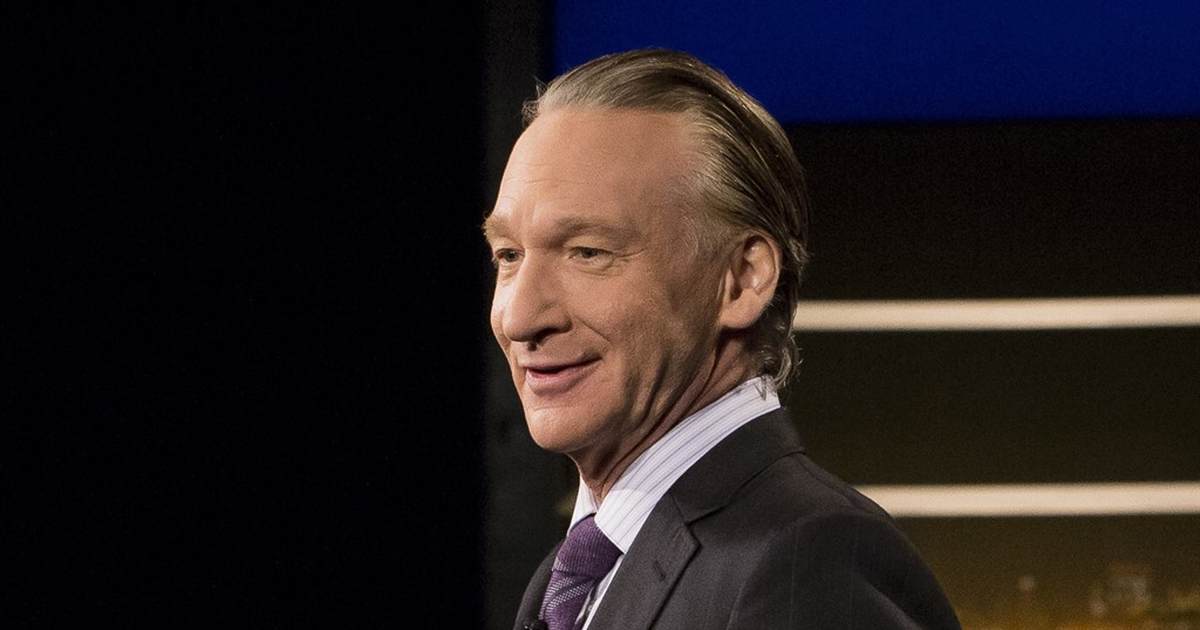
Bill Maher and Woody Harrelson sat down in a loose, 4/20-timed conversation that wandered from weed and friendship to Hollywood politics and unexpected declarations.
Bill Maher and Woody Harrelson drew attention with a casual chat that landed right on the holiday for cannabis fans, and both men openly acknowledge regular marijuana use. Maher, a familiar face on HBO who prides himself on talking to all sides, admitted something surprising: despite his celebrity circle, he has never met Clint Eastwood. He said he’d like to track Eastwood down and thank him for playing a pivotal role in Hollywood’s history and the way American movies shape culture.
Maher didn’t tiptoe around how Eastwood is treated in show business, pointing to the obvious political divide that colors many careers in entertainment. He argued that Eastwood’s conservative leanings have made him a target, even though the actor-filmmaker’s work has long transcended simple labels. Maher suggested the obsession over politics ignores the deeper impact Eastwood has had on storytelling and the industry itself.
“They hate him in Hollywood because he’s sort of a Republican. It’s like, oh come on, really do you have to f*cking obsess about that?,” said Maher.
Woody Harrelson stepped into the riff by explaining his own position as someone who sits outside the usual boxes, and he made it clear he still enjoys engaging across the aisle. Harrelson lives in Texas and spends time around Republicans, but he said he avoids partisan debating and won’t be drawn into talking about Trump or Biden. The actor framed his refusal as rooted in a broader philosophy rather than loyalty to any party.
Bill Maher: “I love Clint Eastwood… I would love to meet him… and just say, ‘Thank you for the entertainment.’ … They hate him in Hollywood because he’s sort of a Republican. It’s like, oh come on, really do you have to f*cking obsess about that?”
Woody Harrelson: “I live in… pic.twitter.com/schXkYvw2i
— RedWave Press (@RedWavePress) April 20, 2026
He put that philosophy bluntly, refusing to couch it in polite terms and identifying with a type that rejects centralized authority. “As you know, I’m an anarchist… I don’t believe in government—governments f*cked,” added Harrelson. His comment landed like a mic drop: it explains why he sidesteps the usual political punch-ups and prefers conversation over confrontation.
The exchange showcased Maher’s willingness to host guests who don’t fit a single political mold, and it underscored how celebrity friendships can run contrary to the culture-war narratives we keep hearing. Maher’s curiosity about meeting Eastwood came across as more than celebrity fandom; it sounded like gratitude for someone who kept making work on his own terms. That angle plays well for viewers who feel Hollywood’s political uniformity is overrated and that talent should stand apart from ideological litmus tests.
There was a cheeky, defiant energy through much of the discussion, a kind of live-and-let-live stance that both men seemed comfortable with. Harrelson’s anarchist line is extreme, sure, but it’s consistent with a performer who has always avoided neat labels and preferred being known for craft and independence. Maher, who has built a brand on frank, sometimes abrasive conversation, seemed pleased to host that spirit on screen rather than sanitize it.
The timing around 4/20 added a playful undertone, and the two veterans leaned into that relaxed vibe while still touching on culture and politics. The conversation didn’t escalate into anger or partisan shouting; instead it felt like two grownups acknowledging disagreement without trying to erase each other. For audiences tired of performative outrage, the episode offered something simpler: two public figures being honest about who they are and who they enjoy talking to.
Maher also dropped a name that illustrates the kind of cross-genre, cross-style friendships he keeps: Kid Rock is among his pals, and Maher didn’t bother filtering his loyalty. If anyone objects to that kind of alliance, Maher’s answer was as blunt as the rest of the evening: “If you have a problem with that, screw off.” That line summed up the show’s tone — unapologetic, plainspoken, and defiantly conversational.
The whole segment felt like a reminder that not every entertainment conversation needs to be a culture-war battlefield, and that figures from different backgrounds can still share respect. Maher’s wish to meet Eastwood was less about networking than acknowledgment, while Harrelson’s anarchist stance explained why he won’t be dragged into the usual political dustups. Together they made a simple case for talking to people you don’t always agree with, and for valuing artistic contribution over partisan purity.