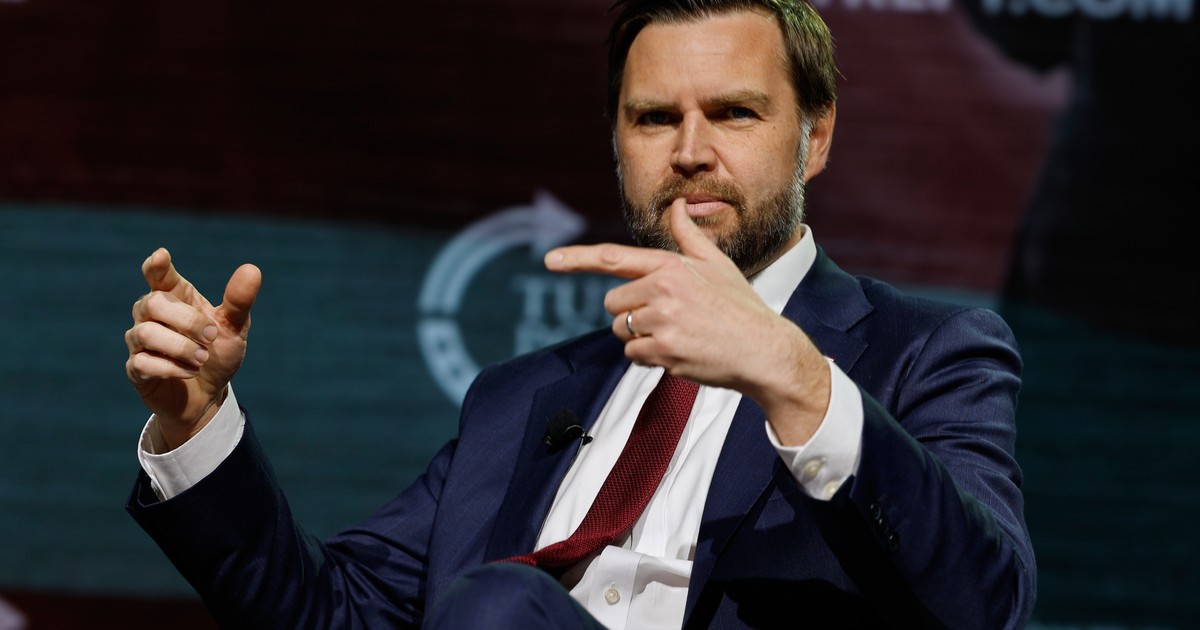
The Iran talks stalled again as Tehran balked, domestic splits in its leadership slowed decisions, and U.S. pressure — including a naval blockade and a ticking ceasefire — forced a pause that left Vice President Vance grounded in Washington and the prospect of renewed strikes looming.
The latest round of talks with Tehran was put on hold, and the delay was predictable once Iran started insisting the blockade be lifted before any meeting. Vice President JD Vance, expected to travel to Islamabad and then onward, spent more time in the White House than on a plane, which only fueled the sense that Tehran was buying time. The pause underscores how fragile these negotiations are when one side demands preconditions and the other side refuses to cede strategic leverage.
Inside Tehran, factions debated whether to show up at the table while U.S. naval forces maintain a blockade, and that split left American officials watching the clock. The ceasefire is set to expire soon, so every hour of indecision raises the risk of renewed attacks. From a U.S. perspective, patience has limits; letting a blockade be a bargaining chip is one thing, letting it hamstring readiness is another.
VP VANCE has not yet left for Pakistan as ceasefire deadline looms. I'm told he'll be at the WH today.
Per a White House official: Additional policy meetings are taking place at the White House of which the Vice President will participate in.
— Aishah Hasnie (@aishahhasnie) April 21, 2026
Vice President Vance’s planned departure for Islamabad was delayed for hours Tuesday as Iran’s leadership remained divided over whether to participate in a new round of peace talks, according to U.S. officials and sources with knowledge of the situation.
Why it matters: With the ceasefire scheduled to expire, every hour Vance spends in Washington is an hour closer to a resumption of hostilities. Iran has yet to decide whether it’s coming to the table at all.
One key holdup is an internal dispute in Tehran over whether to participate in the talks as long as the U.S. naval blockade on Iranian ports continues.
State of play: President Trump told Bloomberg Monday the ceasefire runs until Wednesday evening, but Pakistan’s information minister put the deadline at Tuesday around 8pm ET. Either way, Trump made clear Tuesday morning he doesn’t want to extend it.
“We don’t have that much time … Iran can make themselves into a strong nation again if they make a deal,” Trump told CNBC.
“I expect to be bombing because I think that’s a better attitude to go in with,” he said when asked what happens if there’s no deal by Tuesday night. “But we’re ready to go. I mean, the military is raring to go.”
The divide in Tehran is not surprising: hardliners and pragmatists have long feuded over how to handle pressure from Washington and the region. When the other side is an organization tied to terrorism, negotiating from a position of strength matters, and our leaders are rightly reluctant to reward bad behavior. Expect policymakers to press the advantage where it counts — logistics, intelligence, and the credibility of deterrence — rather than chase a quick, hollow agreement.
On the ground, Operation Epic Fury achieved key objectives, but that doesn’t mean the campaign is over or that there won’t be follow-up strikes. Military operations often need mopping-up and enforcement phases to lock in gains, and leaving gaps invites further escalation. The message must be clear: meeting battlefield goals does not equal turning a blind eye to future threats.
Politics plays through this too; the administration is balancing public pressure, allied coordination, and the optics of diplomacy versus force. Conservative voters want firm responses that protect American interests and allies, not rhetorical concessions. That stance means using pressure points like a blockade to extract real commitments or to set conditions for any future talks.
Delays like this expose a simple fact: you cannot negotiate peace with factions that are not unified or that treat talks as theater. When Tehran demands the blockade lifted before discussing terms, it signals either weakness or a bad-faith effort to rearrange the battlefield. Either way, the U.S. approach should be calibrated to avoid rewarding stalling tactics while preserving options to de-escalate if genuine progress appears.
Operationally, keeping forces ready and preserving the option to strike remains essential. Diplomacy without credible military backup is unlikely to produce durable results when facing state-backed militias and terror proxies. The administration is signaling that it prefers a deal but will not hesitate to use force if Iran declines to negotiate seriously or allows hostilities to resume.
UPDATE: Vance to depart for Iran talks tomorrow.
Expect the coming hours to be decisive: either Tehran shows up with realistic proposals or the ceasefire will expire and pressure will rise. For now, Washington holds the high ground by refusing to let preconditions erode its leverage, and that posture will shape whatever comes next. Whatever critics say, standing firm on conditions is the responsible course when negotiating with actors who have repeatedly used violence as leverage.