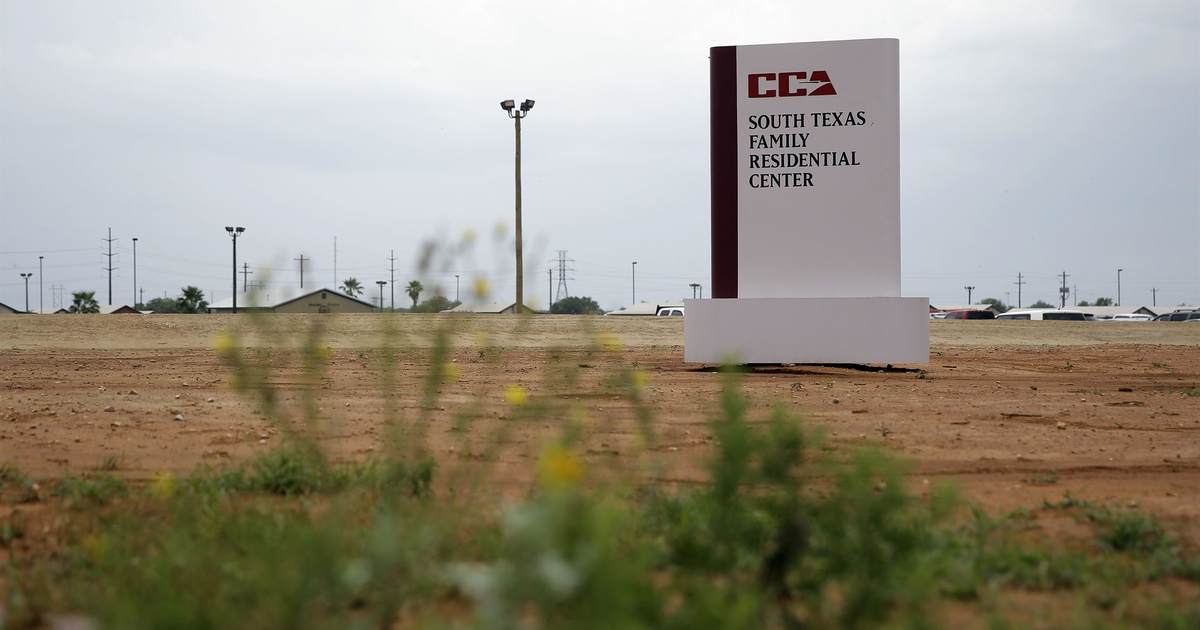
Maureen Galindo, a Democrat running in Texas’ 35th Congressional District, has drawn sharp attention after social media posts surfaced describing radical plans for a local ICE detention facility and making incendiary accusations about political rivals and groups.
Voters in the sprawling border district reacted after screenshots and a social post circulated showing Galindo writing in the third person about repurposing an ICE facility inside her district. The post framed the plan in violent and punitive terms, prompting immediate backlash from both opponents and concerned residents.
Shortly after the post appeared, critics argued the remarks were reckless and harmful to civic discourse, while supporters said she was speaking out against abuses. The tone of the message left little room for debate about policy and pushed the conversation into territory most campaigns avoid.
Maureen Galindo, a Democrat running for Congress in TX-35, says in an Instagram post that she would turn an ICE detention center near San Antonio “into a prison for American Zionists”, and will also use it as a castration processing center for pedophiles, “which will probably be… pic.twitter.com/d5Xmb2uk9n
— Bill Melugin (@BillMelugin_) May 19, 2026
The Instagram-style message described how she would turn the local ICE detention facility “into a prison for American Zionists and former ICE officers for human trafficking.” That sentence is written exactly as it appeared and helped fuel criticism that the language targeted entire groups rather than specific individuals alleged to have committed crimes.
The same post continued with another incendiary line: “It will also be a castration processing center for pedophiles which will also be most of the Zionists,” which replicated the original wording. Those words raised alarm about endorsing extrajudicial punishment and conflating disparate accusations into a single hostile narrative.
Galindo also leveled a direct charge against her Democratic primary opponent, accusing him of involvement in an international trafficking conspiracy tied to wealthy people she described in the exact phrase “billionaire Zionist Jews.” Those are the words she used, and they have been repeated by critics to underscore how extreme the rhetoric was.
Campaign observers noted that accusing a rival of treason and promising a trial are political weapons that can derail a primary and alienate swing voters. Galindo reportedly said she would put Johnny Garcia on trial for treason, a claim that raises serious legal and ethical questions about political rhetoric in the middle of a campaign.
Her campaign platform, as presented publicly, mixes economic and immigration positions in a way that departs from mainstream Democratic messages in the area. She lists priorities like ending privatization of oil and mineral extraction, prosecuting ICE agents, and banning school choice vouchers, all issues she has emphasized on the stump and in materials shared with voters.
Those policy points are concrete and familiar to many on the left, but the way she paired them with calls for criminal prosecutions and extreme punishments sharpened the contrast with more moderate Democrats. That contrast is likely to matter in the run-off environment, where turnout and persuadable voters decide tight races.
Galindo has advanced to a run-off against Johnny Garcia, with the runoff date scheduled for May 26. If she secures the Democratic nomination, she would move on to face either John Lujan or Carlos de la Cruz in the November general election, creating a high-stakes matchup for the seat.
Local reaction included law enforcement and community leaders warning that rhetoric advocating punishment outside the legal system can endanger public safety and democratic norms. Even within political circles that oppose ICE, many leaders prefer legal reform and oversight over calls for vigilante-style retribution.
Political strategists said the episode could define the primary and the general election if opponents make the language a focal point of advertising and outreach. Campaigns often pivot to character tests when a candidate’s communications cross norms, and this instance fits that pattern.
Despite the uproar, Galindo’s supporters argue she is responding to real grievances about human trafficking and detention practices at the border. That framing appeals to voters who feel frustrated by perceived impunity and want bold action, but it risks alienating moderates and independents.
Meanwhile, local media coverage and social feeds amplified the story across the district, ensuring that most likely voters became aware of the remarks before the runoff. In tight contests, moments like this can shift the narrative and force both contenders to clarify positions or double down.
Campaign watchers will be watching turnout closely on May 26 to see if the controversy mobilizes base voters or pushes moderates away. The general election will test whether the nominee can expand beyond a primary coalition while managing fallout from campaign rhetoric.
The situation underscores the fragility of political discourse in volatile districts and the need for candidates to balance passion with responsibility. When rhetoric calls for extreme measures, it invites scrutiny and shapes the choices voters face at the ballot box.