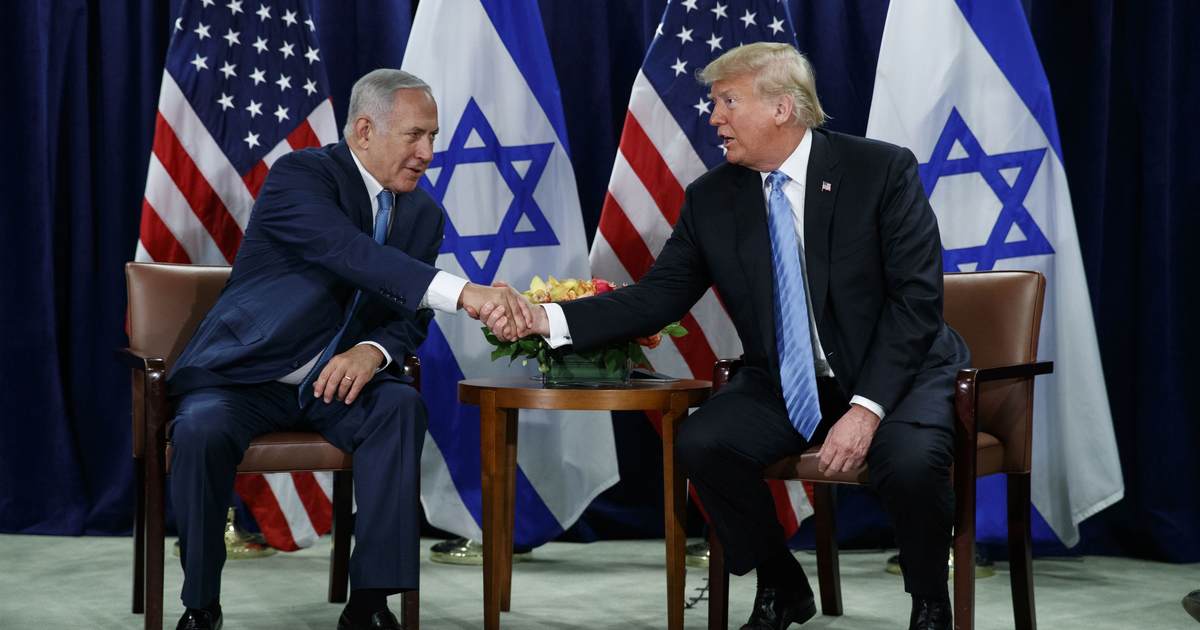
Benjamin Netanyahu says Israel should begin reducing its dependence on U.S. military aid, laying out a plan he discussed with President Trump to phase out funding over roughly a decade while starting the process immediately.
Benjamin Netanyahu told “60 Minutes” that Israel should start weaning itself off American foreign aid, framing the move as a step toward greater national sovereignty. He described conversations with President Trump and suggested a multi-year timeline to reduce financial reliance, signaling a strategic shift in how Israel funds its military cooperation with the United States.
Netanyahu did not map out every detail, but he was clear about the direction: move away from annual U.S. checks and toward self-sufficiency. For a country that has relied on American support for decades, proposing to cut the financial tether is bold and meant to change expectations in Washington and Jerusalem alike.
“Do you believe it’s time for the state of Israel to reexamine and possibly reset its financial relationship to the United States, meaning what the United States provides to Israel on an annual basis?” CBS News’ Major Garrett asked.
🚨 IT’S OFFICIAL: PM Netanyahu announces he plans to END Israel’s reliance on U.S. foreign aid
“I've said this to President Trump. I've said it to our own people. Their jaws dropped, but I said I want to draw down to zero the American financial support, the financial component… pic.twitter.com/bv7TXQIPQB
— Eric Daugherty (@EricLDaugh) May 10, 2026
“Absolutely. And I’ve said this to President Trump, I’ve said it to our own people. Their jaws dropped,” Netanyahu said.
But I said, look. What do you mean? What are you saying? I want to draw down to zero the American financial support, the financial component of the military cooperation that we have, because we receive $3.8 billion a year. And I think that it’s time that we weaned ourselves from the remaining military support.
“Can you give me a timetable?” Garrett asked.
“I said, let’s start now and do it over the next decade, over the next 10 years. But I want to start now. I don’t want to wait for the next Congress. I want to start now. And you know, it could go down very fast,” the prime minister added.
From a conservative perspective, the proposal makes sense: allies should be strong and pay their way where they can. Reducing a dependency on U.S. taxpayer money strengthens Israel’s hand and removes a political lever that can be used against it when American administrations change.
Critics on the left have used U.S. aid to attack Israeli policy, arguing that funding facilitates controversial military operations. Supporters counter that the aid is not a charity payment but an investment in regional stability, deterrence, and a shared strategic posture against threats in the Middle East.
Netanyahu’s timeline—about 10 years—aims to avoid sudden shocks while signaling urgency. That gives Israel room to restructure budgets, ramp up domestic defense spending, and recalibrate procurement and diplomatic ties so the country can act without waiting for Washington’s approval on every decision.
The practical effects could be significant: Israel could pursue operations with fewer political constraints from allies and accelerate long-term projects without congressional uncertainty. At the same time, shifting funding obligations homeward will force tough fiscal choices and a renewed prioritization of national defense spending.
The announcement also reflects the Trump era’s different approach to alliances, where allies are encouraged to carry more of their own weight. Netanyahu pointedly said he had already raised the issue with President Trump, reflecting the administration’s willingness to rethink traditional assistance arrangements.
For Republicans who favor strong, independent allies, the move is welcome. It aligns with a worldview that values robust national defense funded by the nation that benefits most, and it reframes aid as a temporary bridge rather than a permanent lifeline.
Opponents will argue about timing and risk, warning that an accelerated drawdown could reduce Israel’s capabilities if not handled carefully. Netanyahu’s plan, as described, tries to balance that concern with a phased strategy designed to keep readiness intact while shifting financial responsibility back to Israel.
Whatever the politics, the proposal is a recalibration of a long-standing relationship, not a repudiation of the alliance itself. Netanyahu presented a vision where Israel grows more self-reliant militarily while preserving the strategic partnership with the United States—an outcome his supporters say strengthens both countries.