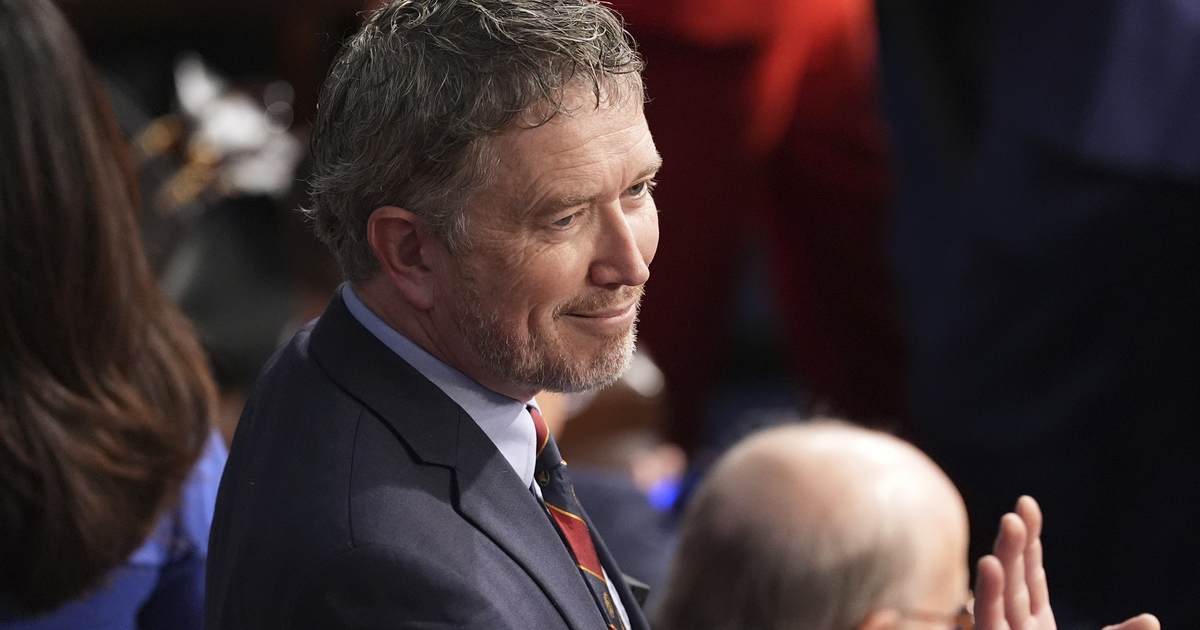
Republican voters watched a last-minute campaign stunt in Kentucky when Rep. Thomas Massie sent a text that recycled a 2022 Trump endorsement line and presented it as if it applied now, touching off swift condemnation from the former president and top White House officials.
Kentucky Rep. Thomas Massie, who is running in a primary against the Trump-endorsed Ed Gallrein, pushed a controversial message to voters on the eve of the May 19 contest. The move landed in a tense moment for the party, with high-profile allies of the former president already working to shape the outcome.
The text included an Associated Press-style headline that read “Trump endorses Kentucky congressman he once denounced” and beneath it presented language attributed to Trump from 2022. That endorsement phrasing, however, does not appear in the archived AP coverage and the graphic sent by the campaign omitted any clear date tying the words to 2022. For voters scanning messages on their phones, that omission made the image look like a fresh presidential backing.
Kentucky election day shenanigans;
Massie campaign sends out to KY 4 voters via text a 2022 Trump
statement making it look like the president supports Massie today where he clearly supports GallreinText ends with "Paid for by Thomas Massie for Congress
Reply STOP to opt-out" pic.twitter.com/cJwFB75Dkk
— ZitoSalena (@ZitoSalena) May 19, 2026
The final line of the mass text did include a disclosure stating the content was an ad paid for by Massie’s campaign, but critics say that small note did not undo the misleading impression. Campaign disclaimers are required, but they do not automatically absolve a campaign that dramatizes support in a way that alters context. Many voters judge authenticity and honesty by what arrives in their inboxes, not by the legal fine print at the bottom.
Journalist Salena Zito called out the tactic, saying the presentation was designed to make it “look like the president supports Massie today where he clearly supports Gallrein.” That accusation matters because the political reality is clear: Trump and several of his key allies have been actively campaigning for Gallrein ahead of the primary. For Republican voters, clarity about who backs whom is a basic expectation, especially late in a close race.
Shortly after the text circulated, President Trump demanded that the Massie campaign retract the material, a rare and blunt rebuke aimed at correcting the record before ballots closed. The rebuke was followed by forceful language from inside the White House, signaling that party leadership would not tolerate attempts to blur endorsements. The speed of the response underscored how seriously the campaign and the former president took the matter.
White House Deputy Chief of Staff James Blair publicly denounced the move, calling it “scum bag behavior.” That direct language from a senior aide amplified the outrage and framed Massie’s action as a breach of basic campaign norms. In high-stakes primaries, rhetorical lines like that are meant to cut through and influence undecided voters who expect principled conduct from candidates.
Blair did not stop there, saying “Massie’s entire existence is built on lying to people,” which is a severe charge from someone so close to the Republican orbit. Those words will stick with voters evaluating Massie’s record of statements and political theater. For conservatives who prioritize trust and cohesion, accusations about habitual dishonesty from a sitting member of Congress are especially damaging.
The timing of the text ensured it became a defining late twist in a race decided on May 19, forcing grassroots activists, local leaders, and ordinary voters to reckon with competing narratives. Campaign shortcuts that aim to manufacture endorsements risk backfiring when they trigger swift corrections from the candidate with the louder national profile. Republicans in Kentucky faced a clear choice between a candidate undercut by his own tactics and the candidate backed by established party figures.
Beyond the immediate fallout, the episode raises questions about how campaigns communicate and how quickly the party will police misleading tactics. Conservative voters expect their nominees to defend conservative principles and to do so without resorting to tricks that erode trust. As campaigns sharpen their messaging in future contests, the line between aggressive persuasion and deceptive presentation will continue to matter to the base and to independent voters.
The primary decision that night carried implications beyond one seat; it also served as a test of whether national leaders could protect the integrity of endorsements and hold allies to a basic standard of honesty. Republicans watching the fallout were left weighing the political cost of last-minute gambits that promise short-term attention but threaten long-term credibility.