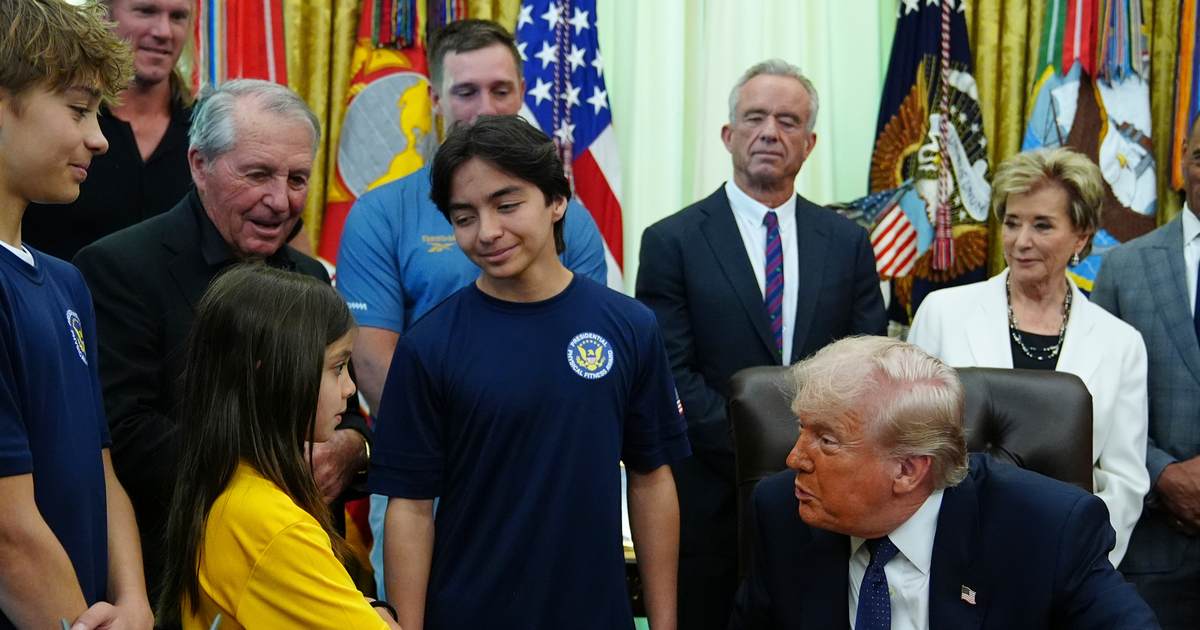
President Trump revived the Presidential Fitness Test at a White House event for National Physical Fitness and Sports Month, welcoming elite athletes and students while framing the move as part of his larger Make America Healthy Again push.
On a day honoring National Physical Fitness and Sports Month, the White House hosted athletes, students, and public figures to spotlight youth health and performance. The event featured notable names from the sports world alongside administration officials who signaled a return to measurable fitness standards for young Americans. This move restores a program that had been phased out over a decade ago and puts physical education back in the spotlight of national policy.
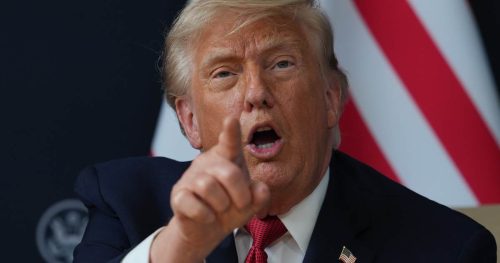
The president announced the decision in front of a mixed crowd of competitors and students, saying his administration would bring back the Presidential Fitness Test. The revived program aims to set clear expectations for youth fitness, reintroducing standardized assessments that emphasize endurance, strength, and discipline. Supporters argue that measurable standards encourage accountability in schools and give parents a reliable signal about student health.
The roster of guests included world-class athletes such as nine-time major winner Gary Player and two-time major winner Bryson DeChambeau, alongside schoolchildren from across the country. Their presence underscored the message that athletic excellence and everyday fitness are both worth celebrating. The administration framed the gathering as a reminder that physical training builds habits that transfer to work, school, and civic life.
.@POTUS: "Today, I sign a Proclamation recognizing national youth sports and fitness and I'll also sign the very first copy of the new, revitalized Presidential Fitness Test award — a certificate in recognition of achievement of the gold standard of physical fitness." https://t.co/50HWB0QBHU pic.twitter.com/9qCXvZp2on
— Rapid Response 47 (@RapidResponse47) May 5, 2026
At the heart of the announcement is a comparison to past policy: the Presidential Fitness Test had been phased out by the previous administration in 2012. Restoring the test is being pitched as correcting that trend and reasserting the value of tangible, national standards for physical education. Officials say the program will be updated for modern needs while preserving a clear objective—helping kids become healthier and more resilient.
The administration ties the resurrected test to a broader Make America Healthy Again initiative that seeks to confront childhood inactivity and rising health risks. That campaign frames fitness not as optional but as essential to national strength and individual opportunity. The messaging mixes practical goals—better fitness metrics in schools—with cultural appeals about character, grit, and personal responsibility.
In announcing the plan, the president used strong language to link physical discipline with broader civic virtue. “Sports and fitness are woven into the fabric of American identity, and the greatness that defines our Nation is forged only through hard work, sweat, and an unrelenting demand for success,” Trump said in a statement. “Physical dedication sharpens the mind, steels the will, and produces the kind of character that Americans carry into every aspect of their lives. Citizens who hold themselves to that standard of excellence are capable of meeting any challenge of the world today.”
Practical questions will follow about how the test is implemented, how schools will be supported, and what metrics will be used to measure progress. Administration officials have signaled partnerships with athletic leaders and education stakeholders to shape the program. The hope among backers is that a revived standard will drive investments in PE teachers, equipment, and after-school sports programs where needed.
Critics will predictably ask whether a national test is the right tool and whether it places unfair pressure on some students. The administration’s answer so far is straightforward: measure to improve, then provide resources to help. Rather than leaving fitness to chance or patchwork local policies, the White House argues for a consistent baseline that motivates schools and families to act.
For parents and educators, the return of a national fitness assessment promises clarity—benchmarks to track student progress and prompts for action when kids fall behind. Supporters say the test can identify gaps early and make fitness a routine part of school life again. The policy signals a shift away from the last decade’s de-emphasis on standardized physical evaluation and toward a renewed focus on youth well-being.
Editor’s Note: Do you enjoy Townhall’s conservative reporting that takes on the radical left and woke media? Support our work so that we can continue to bring you the truth.
Join Townhall VIP and use promo code FIGHT to receive 60% off your membership.