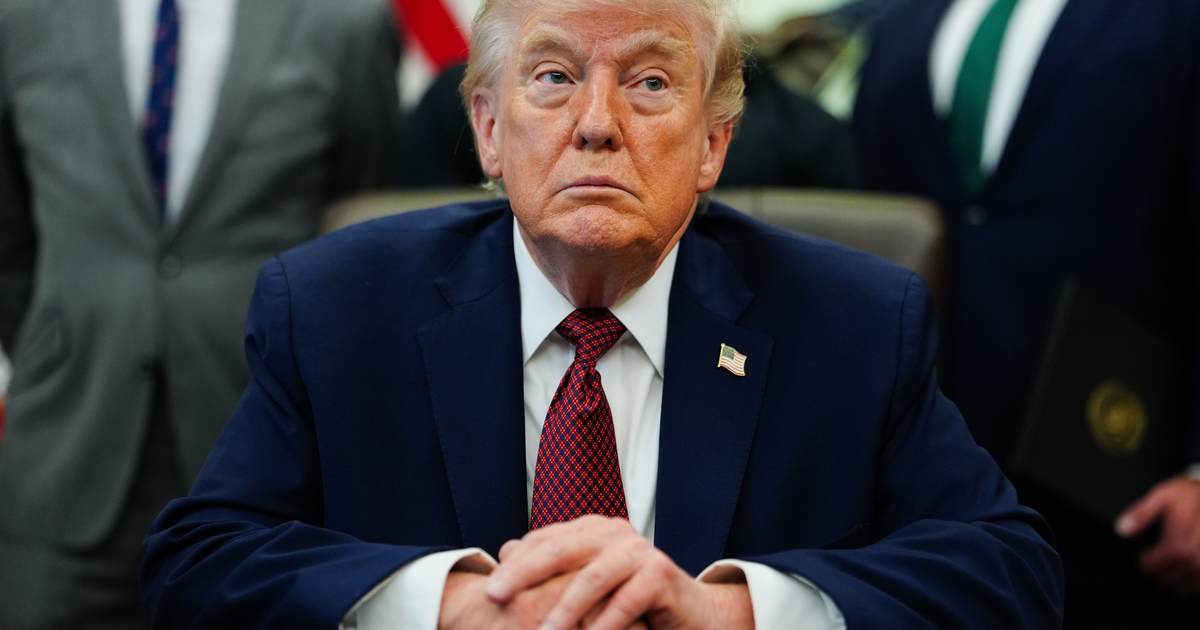
On a busy primary night in Ohio and Indiana, Republicans are watching hard-fought gubernatorial and congressional fights while President Trump zeroes in on a handful of state senators who blocked a remap he wanted, sparking a high-stakes intra-party battle that has drawn big money and national attention.
Election night covers two states that matter this cycle: Ohio and Indiana. In Ohio the question is who will face Democrat Amy Acton in the governor’s race and which Republican will emerge in the competitive 1st congressional district. In Indiana the drama centers on whether President Donald J. Trump will exact political consequences against a list of Indiana State Republican senators who rejected the state’s redistricting effort.
Decision Desk provided some background on Trump’s Hoosier operation, where one incumbent GOP state senator has already been ousted. The redistricting fight was high stakes because the proposed map would likely have helped Republicans pick up two U.S. House seats. A slim majority of state Senate Republicans voted to block the remap, and Trump responded by endorsing challengers in seven primaries.
State Senate elections are not usually leadoff material for a state primary preview when statewide and/or congressional contests are on the ballot. But of all the elections on the ballot Tuesday, President Trump may care more about seven state Senate primaries in Indiana than any other race.
Late last year, many Indiana GOP leaders pushed forward with Trump’s wish for the state to pass a more favorable congressional map. The proposal would have almost certainly helped the GOP gain two more U.S. House seats in Indiana. But a slight majority of state Senate Republicans, including eight seeking reelection this year, voted to block the remap. Now Trump is out for revenge: He’s endorsed primary challengers against seven senators who voted no, as presented in the table below. Only Sen. Rick Niemeyer avoided a Trump endorsement in his renomination race.
Pro-redistricting forces have spent more than $6 million on ads against the seven targeted incumbents, according to data from AdImpact. Two of the groups leading the anti-incumbent charge, Hoosier Leadership for America and American Leadership PAC, are associated with Republican Sen. Jim Banks, and both are headed by Andrew Surabian, a longtime member of Trump’s political circle.
Other national groups, like Turning Point Action and the Club for Growth-affiliated Win It Back PAC, have also been heavily involved with direct mail and events. Meanwhile, groups associated with Republican Gov. Mike Braun have also waded in to oppose the anti-redistricting incumbents.
Still, it’s not clear if this retribution campaign will pay major dividends. For one thing, the incumbents have significantly outraised their challengers, and have received at least $2.4 million in support from the Senate Majority Campaign Committee, the spending vehicle for the Indiana Senate GOP caucus. Moreover, reporting by Politico suggests that challengers are sometimes struggling to articulate why voters should remove their incumbents. Most attacks have little to do with redistricting, which speaks to the challenge of making that issue matter to many voters.
That being said, the seven individual primaries are difficult to handicap. Five of the targeted incumbents face head-to-head matchups, which means the anti-incumbent vote won’t be splintered across multiple candidates. The other two incumbents have multiple opponents.
Of those in two-way contests, Sens. Jim Buck in the 21st District and Spencer Deery in the 23rd have faced some of the largest opposition expenditures. Meanwhile, Sen. Greg Walker is competing against a state representative, Michelle Davis, in the 41st District. Buck and Walker in particular might have vulnerabilities because both planned to retire before the redistricting conflict prompted each to reassess and run again. On the other hand, Sen. Travis Holdman’s Trump-backed opponent, Bluffton City Council member Blake Fiechter, actually dropped his bid in the 19th District for a time before restarting his campaign.
The two remaining races feature three candidates. This has created an interesting situation in the 38th District, where Sen. Greg Goode faces Trump-endorsed Vigo County Council member Brenda Wilson and a third candidate, the similarly-named Alexandra Wilson. Hoosier Leadership for America has run ads against “Greg and Alexandra” that aim to get voters to support “Trump-endorsed Brenda instead.”
Pro-redistricting groups have pumped serious cash into these fights, and that spending has shaped the narrative on the ground. Hoosier Leadership for America and American Leadership PAC show how networked influence and Trump-aligned operatives can change a local primary. National groups have also weighed in, making these state-level races feel national.
Projection: Anti-redistricting Indiana State senator TRAVIS HOLDMAN who was part of Senate leadership has lost to a Trump endorsed Challenger pic.twitter.com/0faP1DGEiA
— OSZ (@OpenSourceZone) May 5, 2026
Still, money is not the whole story. Incumbents have raised more than many challengers and collected at least $2.4 million from the Senate Majority Campaign Committee. That financial edge matters, and reporting suggests some challengers struggle to explain why they should replace sitting senators, especially when local voters may not prioritize redistricting the way insiders do.
Individually, the seven primaries are tricky to forecast. Jim Buck and Spencer Deery face concentrated two-way challenges, and Greg Walker is up against Michelle Davis in a race that could be competitive. Buck and Walker had considered retirement before re-entering the fight, which leaves them potentially exposed.
The 38th District stands out because of the name confusion strategy: Greg Goode, Brenda Wilson, and Alexandra Wilson create a ballot dynamic that outside groups have exploited with messaging aimed at splitting support. Those sorts of maneuvers show how targeted ads and clever tactics can influence turnout and choice in low-information contests.
As of writing this post, Holdman is out. We’ll keep you updated, but this cadre of anti-redistricting Republicans are learning about the Trump effect.
Vivek Ramaswamy is projected to win the GOP nomination handily for Ohio’s gubernatorial race; pre-election coverage and polling indicate he holds a clear lead heading into the final returns.
Indiana 1st congressional district GOP primary looks competitive, and it remains the single most contested House race in the state this cycle. Voters there will decide who gets the chance to flip or hold the seat come November.