Rep. Ro Khanna has publicly pushed for investigations and subpoenas aimed at Elon Musk, arguing accountability is needed for Musk’s actions tied to government programs and foreign policy, and Musk fired back on X with a blunt legal threat.
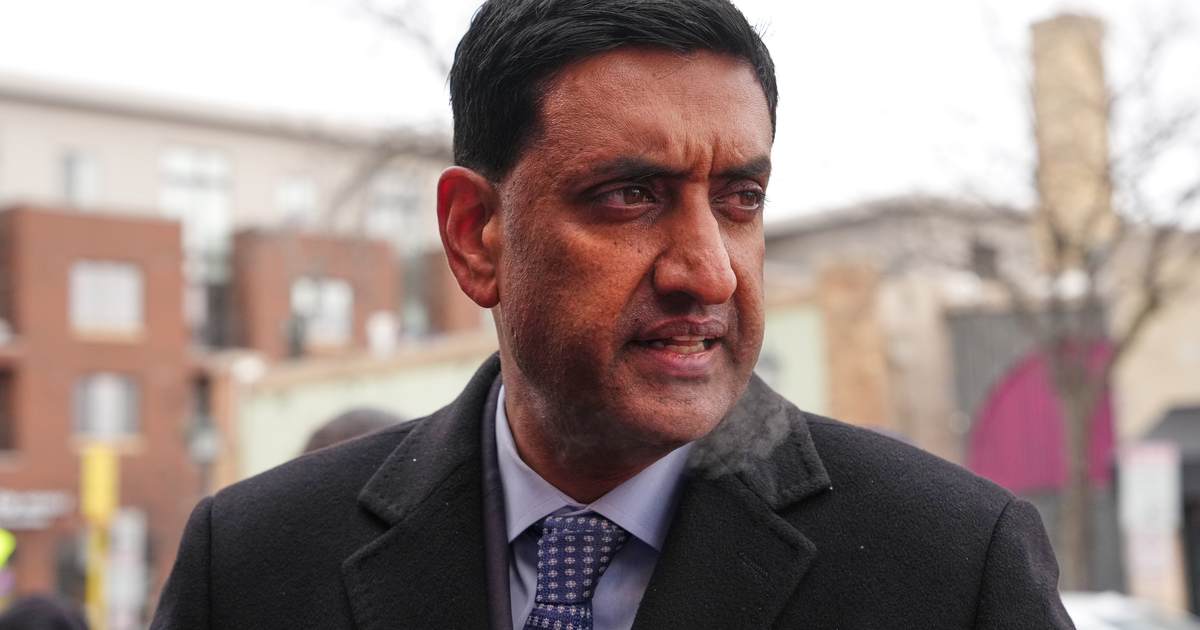
California Representative Ro Khanna has stepped up public pressure on Elon Musk, saying Democrats should investigate the Tesla and SpaceX founder if they regain control of Congress. Khanna has framed the push as accountability tied to actions involving the Department of Government Efficiency, known in his remarks as DOGE. His comments landed on a podcast and on social media, and they quickly drew a sharp reply from Musk. The exchanges underscore a widening conflict between a prominent progressive lawmaker and one of the country’s most influential tech entrepreneurs.
“I do believe that once we take power, there has to be accountability. There needs to be accountability for Elon Musk,” Khanna said on an episode of the “I’ve Had It” podcast with Jennifer Welch. “You know, they’re celebrating that he created 4,400 millionaires, but they don’t talk about the 4.5 million children around the world who he possibly sentenced to death by dismantling USAID. He needs to answer for that. He needs to be subpoenaed. He needs to face investigation. He needs to answer for what he did with DOGE. That it’s not just, let’s move on.”
https://x.com/MarcoFoster_/status/2068700707297857589
“We will use the Oversight Committee and the Judiciary Committee to hold people accountable who violated the law on ICE and abused power with ICE, who violated the law on killing people on boats in the Caribbean, who violated the law when it came to Iran and some of the strikes, who violated the law with DOGE. There will be accountability,” he continued. “There needs to be accountability before reconciliation. And certainly there are voices like Robert Garcia, J.B. Raskin, myself, who are for aggressive oversight and investigation, including of the Epstein class.”
Elon Musk responded to Rep. Khanna’s comments, writing on X, “Time to sue this liar.” Musk’s reply cut straight to litigation as a counterpunch, signaling he sees the allegation as defamatory and worth a legal response. The terse post landed in the same public spaces where Khanna has aired his grievances and plans. That exchange quickly became the focal point for broader debate about oversight and political motives.
Khanna’s rhetoric has accelerated since Musk reportedly reached trillionaire status earlier this month, making the feud part policy argument and part culture clash. The congressman has urged higher taxes on extreme wealth and framed such measures as a way to prevent similar concentrations of wealth in the future. That position ties into long-running Democratic calls to tax the ultra-wealthy to fund government programs and reshape incentives. Critics say this approach risks punishing success and stifling the private-sector innovation that creates jobs.
The claims about dismantling USAID and harming millions of children are dramatic and will demand evidence if they are to be the basis for subpoenas or oversight hearings. Lawmakers who pursue investigations need to build clear, documented chains of decision-making and impact, not rely on overheated rhetoric. For the public, the factual record matters: actions tied to government contracts, policy shifts, or advisory roles should be evaluated on documented outcomes. Republicans and independents will insist any inquiry respect legal standards and avoid partisan theater.
Khanna pointed to multiple alleged violations spanning immigration policy, military strikes, and international operations, tying them to a broader case for aggressive oversight. Those are sweeping accusations that touch on national security and foreign policy, areas where litigation and committee work intersect with classified or sensitive materials. Any Congressional committee that takes up those claims would face legal and procedural limits, plus political scrutiny. The stakes are high for both oversight institutions and the individuals named.
From a Republican perspective, there is room for legitimate oversight but a real danger that investigations become vehicles for political retribution. Private enterprises like Tesla and SpaceX drive technological progress, manufacturing, and high-paying jobs, and their leaders can be targeted for their success. Conservatives argue the focus should be on enforcing clear laws rather than using committees to reshape wealth distribution. The debate will test whether oversight aims for rule-of-law enforcement or ideological score settling.
Khanna’s naming of fellow Democrats who favor aggressive oversight signals that any inquiry would have allies in leadership ranks if the party wins majorities. That alignment increases the chance of hearings, subpoenas, and media-driven investigations aimed at shaping public opinion. At the same time, those tactics risk alienating voters who view the moves as punitive rather than corrective. How the House balances oversight power with respect for the rule of law will be a central question if momentum builds.
Meanwhile, Musk’s companies remain central to multiple sectors—from electric vehicles to rockets—so any prolonged legal or political fight carries economic ripple effects. Investors, employees, and partners watch political developments closely because they affect markets and planning. For conservatives, protecting the conditions that let entrepreneurs scale and innovate is a priority, even as they acknowledge legitimate government oversight. That makes this clash a proxy for larger battles over taxation, regulation, and the role of government.
Editor’s Note: This outlet reports from a conservative perspective and covers disputes between public officials and private-sector leaders, including the tension between calls for oversight and the value of enterprise-driven innovation.