The press is outraged that President Trump’s team helped clear striker Folarin Balogun so the U.S. will be at full strength for the World Cup knockout round, and critics argue the move is unseemly even as Americans celebrate a historic run.
Members of the media and prominent online leftists have erupted over a development that puts the U.S. Men’s National Soccer Team in a stronger position for the Round of 16. A group assembled by President Donald Trump successfully lobbied FIFA to rescind a one-game suspension for rising striker Folarin Balogun, and that change means the team can field its best lineup against Belgium. The reaction from the left has been loud and predictable: outrage framed as concern for sportsmanship.
Several left-leaning outlets and commentators urged Balogun to step aside voluntarily, arguing the United States should sacrifice a competitive edge in the name of optics. Some commentators went further and declared their support for Belgium, effectively cheering for an opponent over our national team. Those calls read less like neutral sports commentary and more like partisan hostility aimed at undermining American success when a Trump-associated effort produced the change.
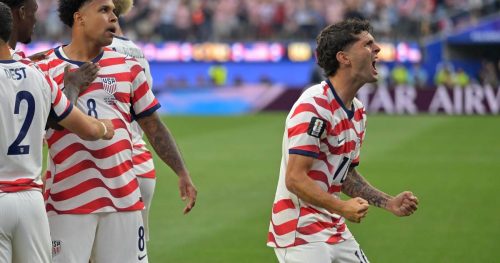
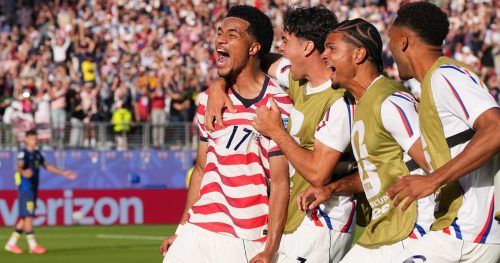
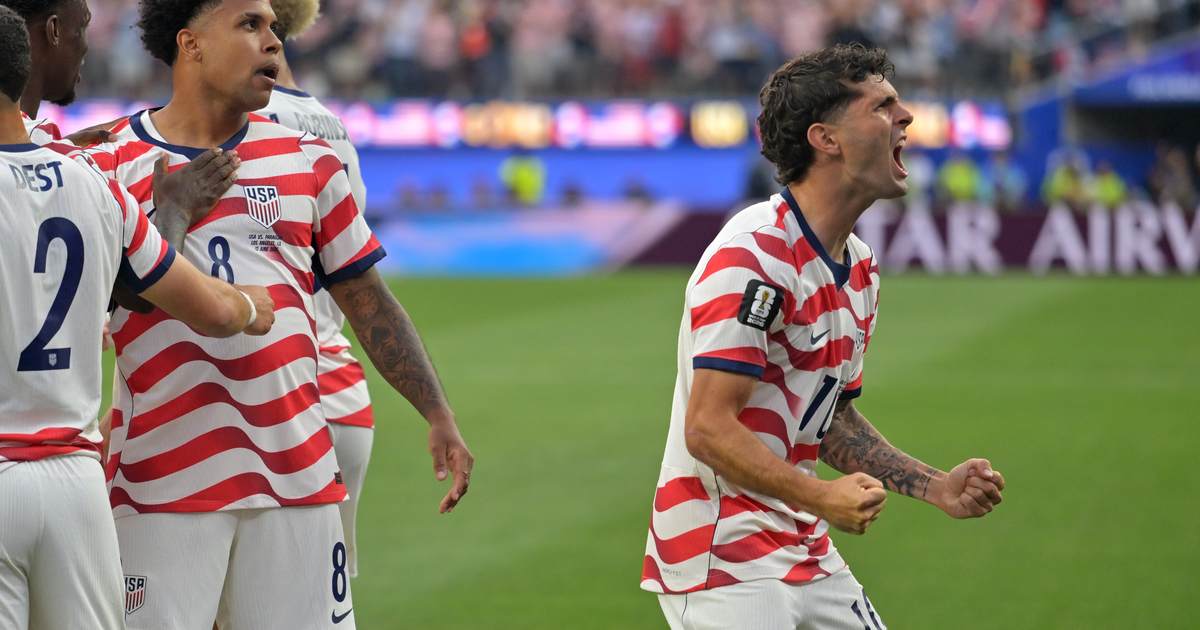
The U.S. is on a historic run at soccer’s top tournament and is enjoying milestones few expected, including its first ever knockout round victory. This team has momentum and belief, and adding Balogun back to the roster preserves continuity and attacking potency heading into a high-stakes game. Facing a Belgium side that looked fatigued, the Americans have a genuine chance to reach the Quarter-Finals, where they could meet Portugal or Spain.
https://x.com/acnewsitics/status/2074157424643346944?ref_src=twsrc%5Etfw
Trump’s involvement in pushing for the rescission has been framed by critics as improper influence, but supporters see it as standing up for American athletes and ensuring fair treatment. Whether one likes the man or not, securing a key player’s eligibility is a tangible win for the team and for fans who want to see the national squad compete with all its talent. The outcome is straightforward: a stronger U.S. side on the field and a political row off it.
Media reactions that demand sportsmanship from one side while cheering for the other reveal a deeper bias that voters recognize. When a player’s punishment is reversed and those opposed to the president complain more about the source of advocacy than the merit of the outcome, it exposes an allegiance problem. For many conservatives, the instinct is to back the country and its athletes regardless of partisan disagreement with a president’s motives.
This controversy also raises questions about how sports and politics interact in a polarized era. Fans want the best players available and want officials to apply rules consistently, but some outlets choose to weaponize decisions against the most popular political figure of the day. That approach risks alienating readers and viewers who see it as prioritizing grievance over fair play.
On the pitch, what matters most is execution, not the narrative spun off it. Balogun’s availability gives U.S. coach staff more tactical options and should boost confidence among teammates who have earned their place in the knockout stages. The team’s performance against Belgium will ultimately silence pundits on both sides more effectively than any back-and-forth in the press.
The broader point is simple: Americans expect their national teams to be supported, not undermined by commentators who put politics ahead of sport. Calls for a player to sit out for the sake of optics are out of step with fans who want to cheer their country in a global tournament. The loudest voices demanding sacrifice often reveal where their loyalties lie when the stakes are national pride.
Whatever happens in the Round of 16, this episode has already shown how quickly sporting decisions can become political flashpoints. For readers who prefer less drama and more soccer, the remedy is obvious: let the team play, let fans decide, and let results on the field settle debates spun off the sidelines. The U.S. squad has a shot at history, and that possibility deserves to be judged by goals, saves, and effort—not by which side of the political divide cheered a ruling.