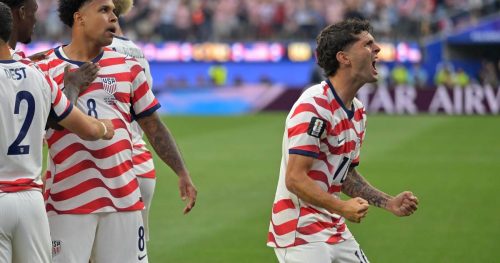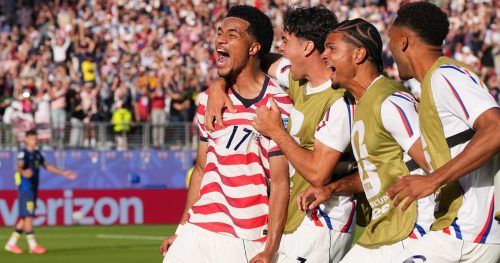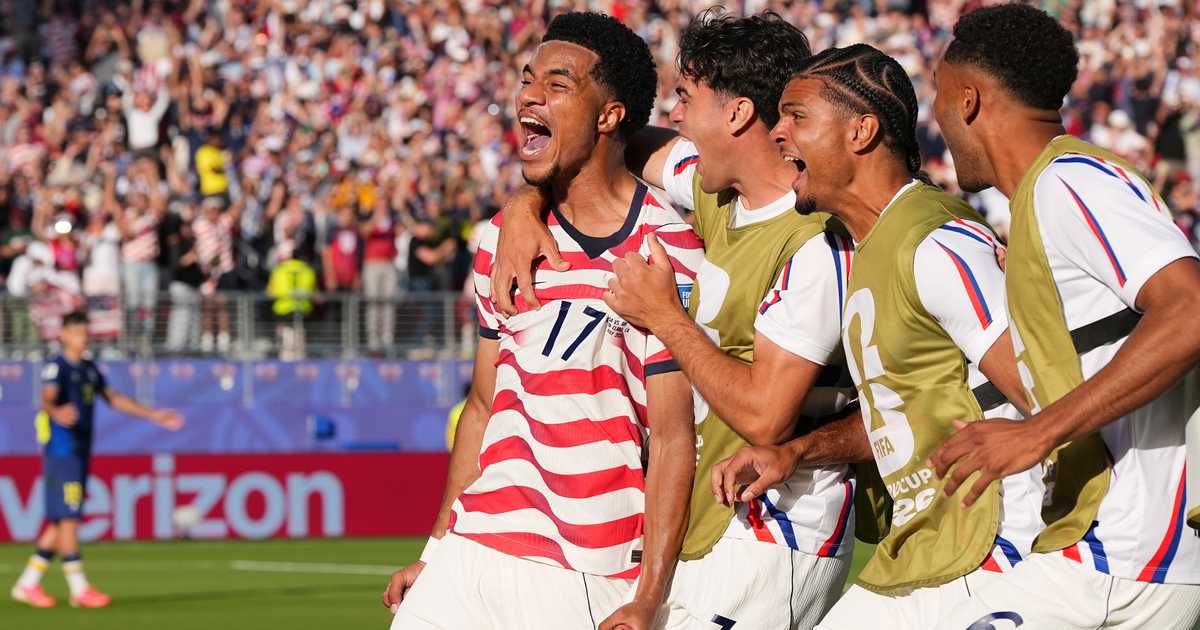
FIFA reversed the red card for USMNT forward Folarin Balogun, sparking loud reactions that blamed politics and praised intervention, while critics labeled the move “favoritism” and an “asterisk.”
FIFA announced over the weekend that it had reversed the red card shown to Folarin Balogun during the U.S. match with Bosnia, a decision that immediately set off a storm of commentary. Many reactions credited President Trump for intervening on behalf of the USMNT, even as FIFA insisted the ruling was reached through its standard review process. Those back-and-forth claims have fueled both celebration and outrage across the political and sports worlds.
The reversal itself is straightforward: Balogun’s sending-off was annulled and the player is cleared to participate moving forward, a move consistent with other red-card reversals we’ve seen this tournament. Supporters hailed the outcome as a correction of an obvious mistake and a win for fair play, while critics seized on the optics and alleged outside influence.
On the other side, New York Times columnist Nicholas Kristof slammed the retraction, calling the decision ‘favoritism’ and saying that it will give the U.S. win an ‘asterisk.’ His reaction was blunt and typical of a media class that reflexively distrusts any development that benefits conservative leaders. That headline-grabbing critique has become a rallying cry for those eager to portray the outcome as illegitimate.
https://x.com/NickKristof/status/2073903638255370567
The broader context matters: some in the media left are clearly upset that World Cup events hosted in America are proceeding without chaos, and they are even more annoyed that the USMNT is earning genuine success on the field. That winning streak reflects well on American hosting and, by extension, on President Trump’s leadership. Observers even noted Democrats are ‘grappling’ with how to respond to positive national attention during a big international event.
Critics like Kristof often sound as though they would prefer the U.S. to falter, not flourish. That sentiment comes through in tone more than in fact: rather than praise a correct ruling, they default to attacking the messenger and inventing scandal. The predictable outrage signals less concern about refereeing integrity than about political optics.
Fans and commentators on the right shrugged off the hand-wringing and focused on the game and the correction of an unfair punishment. Plenty of voices emphasized that the reversal aligns with refereeing standards and prior precedent in this tournament, and they treated the controversy as manufactured noise. The public conversation quickly split between those celebrating the fix and those insisting on conspiracy.
Some critics tried to moralize the moment, asking how anyone could defend the reversal when bigger issues exist in the world, but that angle felt performative. Pointing at distant policy failures while denouncing a routine sporting adjudication reveals a selective outrage rather than principled consistency. The contrast between moral posturing and actual interest in fair play was impossible to miss.
Meanwhile, allies of the team and many neutral observers argued the decision was the right one, and they did not hesitate to say so. That pushback to the media narrative underscored how quickly partisan filters can distort what should be simple corrections in sport. For a lot of people, the facts on the field mattered more than the commentators’ spin.
At the same time, critics continued to insist the reversal proved bias or special treatment, despite no evidence that FIFA deviated from normal review procedures. Those accusations read like wishful thinking from people more interested in scoring political points than in assessing officiating. When the dust settles, the practical effect is that a player gets to play and a match proceeds with a fairer outcome.
One common double standard stood out: similar incidents involving other stars rarely draw the same moral outrage unless the benefit accrues to a conservative figure or American interests. Observers pointed out this inconsistency and noted that high-profile complaints are often selective. Fans and analysts on the right framed the episode as another example of media bias in search of scandal.
Nicholas Kristof deserves scrutiny for his hot takes, especially given his record of highly contested reporting on other topics. He not only lied about the Israeli rape dogs, he was the guy who lied about Nevada’s abortion laws to make it seem like they jailed a woman for having a miscarriage, when the reality was far different. That pattern erodes his credibility and makes his pronouncements about sports governance feel less like principled critique and more like partisan attack.
Kristof’s critics point out he is dishonest, and anti-American in tone when he goes after national successes, which explains why his reaction to the Balogun ruling landed as it did. The rest of the debate will keep circling around optics and politics, but for now the practical outcome is clear: the card was rescinded, Balogun is available, and the team moves on.