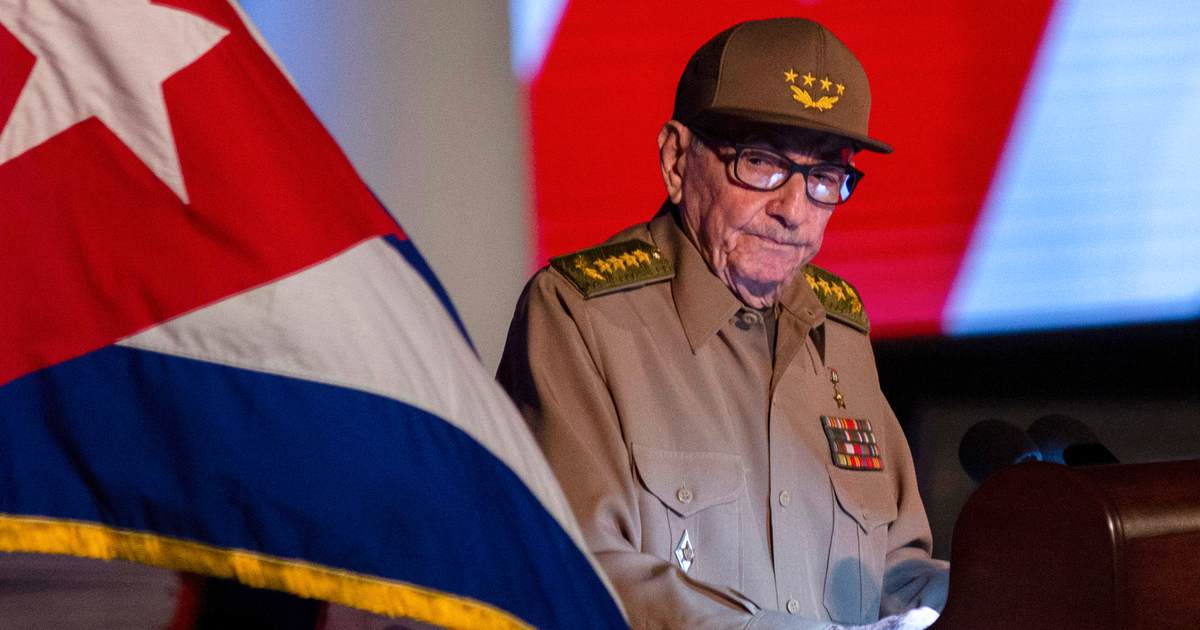
The Trump administration pushed for a fresh deal with Cuba as the island endured another nationwide blackout, framing the crisis as a consequence of communist mismanagement and signaling readiness to offer assistance if Havana changes course.
The administration made clear it wants Cuba to reach an agreement with the United States while the island grapples with a new, nationwide power outage and widespread grid failures reported on Monday. Officials pointed to long-standing fuel shortages and broken infrastructure as the root causes, and they framed the crisis as further evidence of the Cuban regime’s failures. The messaging mixes pressure with an offer of conditional assistance if Cuba moves toward market-oriented reforms.
Cuba remains firmly under Communist Party control and has been hit hard by fuel supply problems for years. In January, President Donald Trump issued tariffs tied to countries that support Cuba’s oil needs, targeting “imports of goods that are products of a foreign country that directly or indirectly sells or otherwise provides any oil to Cuba.” The move is meant to squeeze the regime and force choices about priorities and governance.
In a clear, blunt statement meant to underscore that pressure, a senior administration official told Townhall on Monday afternoon: “As the President stated, Cuba is a failed country that has been horribly run for many years. The [U.S.] will be there to be help, but its flailing leaders should make a deal with the United States before it is too late.” The comment was delivered as part of a broader push to highlight the regime’s track record and to present the U.S. as a potential partner for change.
The same official added more context about how Washington views a possible reset: “As Secretary Rubio has stated, the United States is ready to open a new chapter in the relationship between the United States and Cuba. The only thing standing in the way of a better future are those who control Cuba for their own gain at the expense of the Cuban people,” the official added. That language frames the choice as stark: reform and relief, or continued isolation and decline.
Talks between Washington and Havana have reportedly stalled recently, with negotiators on both sides trading diplomatic signals but little concrete movement. CIA Director John Ratcliffe even visited the island in May, and the agency released photos of his trip at the time. The visit underscored how seriously the U.S. security apparatus is watching events on the ground and seeking openings for influence.
The administration’s January order also declared the United States “has zero tolerance for the depredations of the communist Cuban regime.” That language was followed by a broader declaration in the order that spelled out U.S. objectives: “The United States will act to protect the foreign policy, national security, and national interests of the United States, including by holding the Cuban regime accountable for its malign actions and relationships, while also remaining committed to supporting the Cuban people’s aspirations for a free and democratic society,” the order stated. The wording leaves no doubt the White House intends to keep pressure on multiple fronts.
https://x.com/CIA/status/2055074954375254084
Cuban leaders have tried to signal they are addressing economic pain with limited reforms in hopes of steadying the economy and calming public anger. The government announced certain economic changes last month in an apparent attempt to salvage the nation’s finances, and those steps were described as modest and cautious by outside observers. Yet many analysts and policy hands in Washington say piecemeal reforms won’t stick while the regime maintains tight political control and privileges for insiders.
On social media the Cuban president pushed back hard against U.S. pressure, posting to X on June 24: “The aggression of the United States against [Cuba] is incessant and intensifies in the face of the impotence of not seeing us defeated.” That public posture keeps the rhetoric high and signals Havana’s unwillingness so far to bend on core political controls. The post was part of a broader narrative by Cuban leaders portraying themselves as resisting external coercion while managing an internal crisis.
The Cuban president followed up with another line of defiance that sought to cast U.S. actions as a kind of ruthless economic warfare: “The United States government trusts that no country can function and survive under such a ruthless war. The effect is concrete and brutal, of that there is no doubt; but they are surprised by our capacity to resist and create,” he added. By June 30 he marked another milestone tied to the revolution, leaning on historical symbolism even as basic services fail for many citizens.
Speaking about the 65th anniversary of the Castro-era speech, he wrote: “We celebrate the 65th anniversary of Commander-in-Chief Fidel’s Words to the Intellectuals, the speech that laid the foundations of the Revolution’s cultural policy: dialogue, unity, and defense of our identity.” That kind of framing aims to rally domestic audiences, but it does little to address hospitals, businesses, or people left in the dark by collapsing utility systems.
After the story ran, a State Department spokesperson told Townhall that “the energy crisis is the direct result of the Cuban regime’s incompetence.” The spokesperson continued with a detailed critique: “Everyday Cubans have endured blackouts for years, all while the illegitimate regime was focused on hoarding fuel for its elites and resold it for cash profit in Asia. The Trump Administration has offered the regime clear options to receive humanitarian assistance delivered through appropriate channels and fuel if they privatize the energy industry. But sadly, they continue to prioritize state control over the wellbeing of the Cuban people,” the spokesperson stated. “We can confirm the aid is ready to go, and the illegitimate Diaz-Canel regime has been stalling approvals. We expect big shipments in July, if the regime will allow them.”