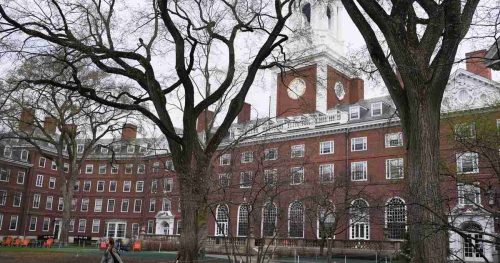
Harvard will pay $53 million to settle a class-action suit after a longtime morgue manager was found to have sold donated body parts, a scandal that exposed gaps in oversight and left dozens of families demanding answers and restitution.
Harvard University agreed to a $53 million settlement after families sued over human remains donated to the medical school that were allegedly stolen and trafficked. The settlement follows a criminal case that began with an arrest in 2023 and drew national attention for its shocking details.
The central figure, a morgue manager who worked at the school for nearly three decades, was arrested and later sentenced for taking organs and body parts from cadavers and selling them. Families accused the university of negligence, saying warnings were ignored while the abuses continued for years.
Harvard University will pay $53 million to settle a ghoulish class-action suit brought by families claiming an imprisoned former morgue manager at the Ivy League institution mishandled the bodies of their loved ones donated to its medical school and even sold their body parts on the black market.
A state court judge in Boston preliminarily approved the eight-figure settlement Tuesday in the suit stemming from the 2023 arrest of disgraced former Harvard Medical School’s morgue manager, Cedric Lodge.
Lodge, who worked at Harvard’s morgue for nearly 30 years, was arrested in 2023 and ultimately sentenced to eight years in prison for stealing and selling organs and body parts of cadavers donated to the school for medical research purposes.
As far back as 2018, Lodge had been stealing body parts — including “heads, faces, brains, skin and hands” — which he’d then bring to his home in New Hampshire and sell with his wife, prosecutors said, shipping them to buyers in Pennsylvania and elsewhere.
In one horrifying example heard during his trial, Lodge provided skin to a buyer so it could be tanned into leather and bound into a book, which Assistant U.S. Attorney Alisan Martin called a “deeply horrifying reality” in a court filing.
“In another, Cedric and Denise Lodge sold a man’s face — perhaps to be kept on a shelf, perhaps to be used for something even more disturbing,” Martin said.
His wife was sentenced to just over a year in prison for assisting him.
The dozens of family members involved in the suit accused the school of negligence, contending it knew of Lodge’s grotesque side business but ignored it until his 2023 indictment.
A judge initially dismissed the cases, but the Massachusetts Supreme Judicial Court revived them in October, saying the families’ claims were sufficient to indicate the university acted in poor faith in handling the bodies, which were subjected to “horrific and undignified treatment” for years.
Families said they were blindsided by the revelations and that the handling of donated remains should have had stronger safeguards. The revived litigation argued the university’s conduct fell short of what donors and their families were promised when they entrusted bodies for research.
The macabre criminal case began with a federal indictment in June 2023 charging the morgue manager, his wife, and others with trafficking stolen human remains. Federal prosecutors said the thefts occurred between 2018 and 2020 and involved the removal of organs, brains, skin, hands, faces, and dissected heads.
https://x.com/jamieloftusHELP/status/1851352713730347479?ref_src=twsrc%5Etfw
Prosecutors described how the manager transported parts to his home in New Hampshire, where he and his wife facilitated sales and shipments to buyers across several states. Court testimony said in some instances buyers were allowed inside the facility to choose specific pieces, with two dissected faces sold for $600 in October 2020.
One repeat buyer reportedly transferred more than $37,000 with transaction memos that included the exact notes “head number 7” and “braiiiiiins.” Those details helped prosecutors trace a disturbing commerce in human remains and supported the criminal convictions that followed.
The manager was sentenced to eight years in prison, while his wife received just over a year for her role in assisting the trafficking. Those criminal penalties ran alongside the civil claims, where plaintiffs sought both money and accountability from the institution that held custodial responsibility for the donated bodies.
Public reaction has focused as much on institutional accountability as on the criminal acts themselves, with calls for clearer oversight, independent audits of body donation programs, and transparent reporting when problems arise. Critics say trust in medical research depends on strict controls and swift action when misconduct appears.
The settlement does not erase the trauma families described, but it does mark a legal acknowledgement of harm and a financial resolution of the class claims. Moving forward, the broader debate will center on preventing a repeat of such abuses and restoring confidence in how medical schools handle donated remains.