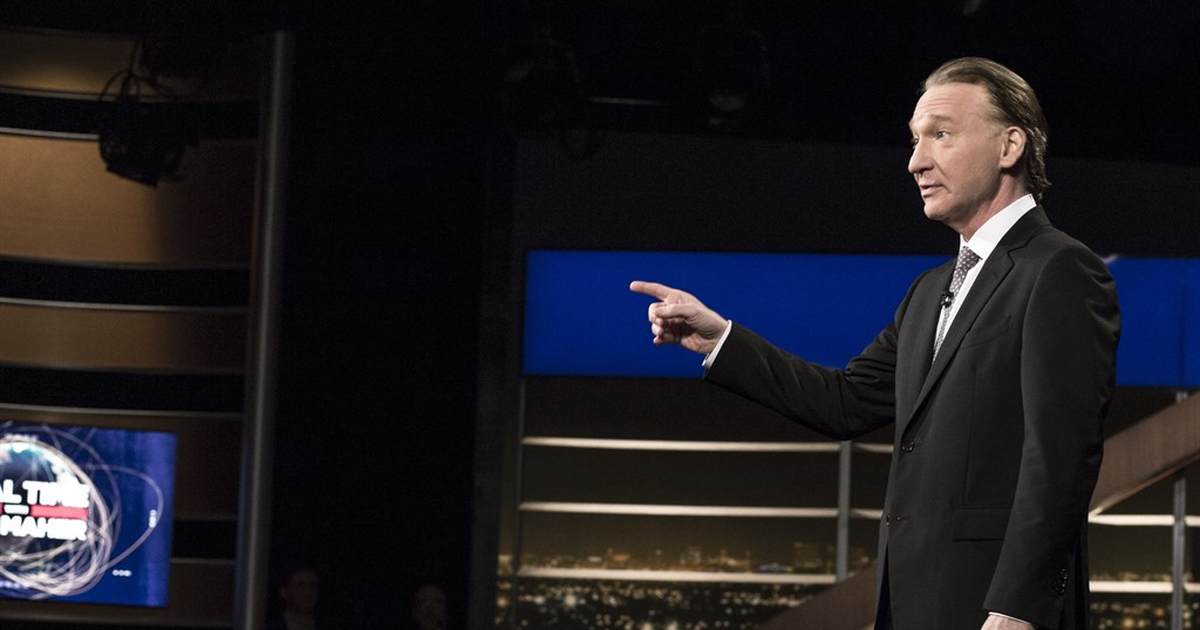
Bill Maher pressed Gavin Newsom on California’s failures, especially the high-speed rail, in an unsparing exchange that landed on national TV and raises questions about Newsom’s image as a 2028 contender.
On Friday, Bill Maher shifted from his usual tone and put Governor Gavin Newsom on the spot during an interview that took an awkward turn. Maher called out long-standing California problems and pointed to the stalled high-speed rail as a symbol of mismanagement. Newsom’s face made clear the question landed where he didn’t expect it, and the moment was clipped and shared widely by outlets that track political theater. The exchange punctured the polished campaign-ready posture Newsom usually presents.
MAHER: “The other side, what they are going to say though is, but have you seen the stats from California?”
Bill Maher just ended Gavin Newsom’s political career in 46 seconds pic.twitter.com/QowF7wGQ5r
— Kevin Dalton (@TheKevinDalton) May 2, 2026
NEWSOM: “Good! One of the largest economies. Let’s go!”
MAHER: “Well… are they going to say good about gas prices?”
“Are they going to say good about how high their rents are?”
“So many people live…I mean there’s a whole litany.”
“I mean the train! Gavin, you got to get rid of the train!”
“I say this as a friend, you got to let that train go! Let the train go.”
“It’s up to $231 billion.”
Maher’s line of questioning wasn’t just about one failed megaproject; it was a wider critique of quality-of-life issues voters notice every day. He brought up gas prices, rent spikes, and the sense that many Californians are squeezed despite headlines about economic size. The high-speed rail became shorthand for big promises that turned into massive bills with little to show for them, and the $231 billion figure landed as a punchy, undeniable detail. That number alone crystallizes why the subject gets traction with critics across the spectrum.
Newsom tried to pivot to state strengths and economic scale, giving the expected talking points about California’s size and innovation. Maher would not let him off the hook and framed the conversation as one of political accountability: if the state can’t deliver on high-profile projects, what does that say about leadership? The exchange highlighted a persistent political risk for any national hopeful who carries executive baggage from a big state. Voters remember visible failures more easily than abstract achievements.
Beyond policy, Maher also pressed on tone and persona, suggesting Newsom’s combative, spectacle-ready style mirrors a populist approach usually associated with the opposite side of the aisle. The idea that a Democratic politician could adopt Trump-style tactics and still expect standard left-leaning voters to nod along is a critique of strategy as much as substance. That line of attack puts pressure on Newsom to explain how his style aligns with his policy record, not just his media instincts. It’s a political riddle: blend the showmanship and keep the governing credibility intact.
This was not pretty for Newsom or his supporters. The clip circulated quickly, and the visual of a flustered response matters in an age where short moments define narratives. Supporters will try to reframe the exchange, leaning on economic metrics and long-term achievements, while critics will treat the segment as evidence that the governor’s story doesn’t always match voters’ lived experience. Either way, the moment will be replayed and analyzed by strategists watching 2028 already.
For a politician eyeing a presidential bid, these televised sparring matches are double-edged: they offer a platform to show toughness, but they also show vulnerability on nitty-gritty issues voters care about. The high-speed rail debate is unusually potent because it mixes policy complexity with a clear headline number, making it easy to criticize and hard to rebut in a short interview. That dynamic intensifies the stakes for any statewide leader who aspires to national office.
Maher’s tone came off as blunt and, at times, friendly admonishment, signaling this wasn’t purely partisan theater but a critique from someone who has roots in the same political community. That complicates how the exchange is parsed: it’s easier for neutral viewers to see it as candid feedback rather than just an attack. For Newsom, the response he chooses next will matter as much as the moment itself, because these clips get a second life online and shape impressions beyond the live audience.
Expect this clip to become part of the narrative toolbox for everyone tracking Newsom’s future moves. It won’t decide anything on its own, but it adds a visible data point to the ledger of political risks he carries. The exchange serves as a reminder that on-camera moments can amplify policy failures into political problems, especially when a simple figure like $231 billion is involved and the optics are undeniable.