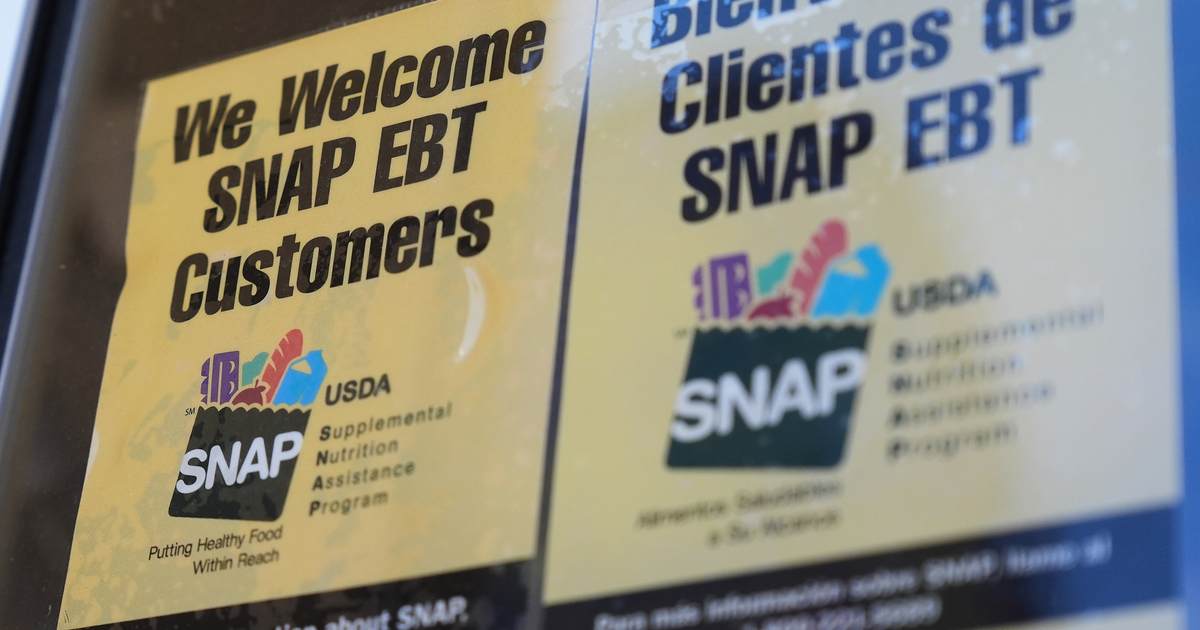
Maryland’s recent audit found widespread problems in how the state handled public assistance, from failure to spot ineligible recipients to millions in improper payments, and even a case where a lottery winner kept receiving SNAP benefits.
The July audit shows the state paid Supplemental Nutrition Assistance Program benefits to at least one person who had won $2 million, while the system often failed to properly pay out or verify benefits. That single finding sits alongside a long list of administrative breakdowns and missed controls across multiple programs, creating serious exposure for taxpayers and for vulnerable residents who rely on the system.
The review is a 56-page audit that vetted roughly $1.9 billion in payments processed through the Department of Human Services between June 1, 2021 and Feb. 28, 2025. The Family Investment Administration oversees the programs under review, which are administered by 24 local social services departments and include SNAP, temporary cash assistance, the temporary disability assistance program, and home energy assistance programs.
The audit identified that 1,858 people received SNAP and temporary cash assistance while they were in prison because the agency didn’t reliably identify who was incarcerated and who was not. That kind of basic eligibility breakdown indicates data matching and oversight failures that should have been caught long before funds were issued, and it raises questions about internal controls at the local level.
https://x.com/MDSenateGOP/status/2079961486974218743
“Our audit disclosed that FIA did not have comprehensive procedures to ensure that the LDSSs properly determined eligibility for public assistance programs and the related benefits,” the audit from Legislative Auditor Brian S. Tanen said. “As a result, we noted instances where the LDSSs did not maintain required documentation or properly determine recipients’ benefits.”
In addition to SNAP errors, the audit found $7.1 million in Medicaid claims that were paid improperly for 546 people because the agency failed to redetermine eligibility as required. Those payments reflect systemic lapses in verifying continued eligibility and in following the redetermination schedules that keep programs accurate and responsive.
The report also flags procurement problems, noting that DHS did not correctly award a contract intended to upgrade SNAP chip cards, which delayed a security update meant to reduce fraud. When contract processes are handled poorly, upgrades stall and the state leaves opportunities for abuse open longer than necessary.
The auditor said it received a referral via a fraud hotline alleging that state management intentionally manipulated the SNAP error rate, and while auditors could not verify that allegation, they did find the agency failed to reduce the state’s SNAP error rate. That failure triggered $28 million in penalties, showing how measurement issues and oversight failures can turn into hard costs for the state.
SNAP feeds roughly 41 million people nationwide, and the program’s size means even modest error rates translate to large dollar amounts. In fiscal year 2025, states collectively recorded more than $10 billion in improper payments tied to SNAP and related programs, so Maryland’s problems are part of a broader national issue but remain locally significant.
The audit stresses the need for clearer procedures, better documentation, and improved verification practices at the local social services level to prevent ineligible payments, reduce fraud, and protect program integrity. Strengthening data matching with correctional systems, tightening procurement practices, and enforcing redetermination timelines are concrete steps the report points toward as necessary improvements.
For taxpayers and policy makers, the report is a call to action: the size of the programs and the scale of the errors mean state managers must prioritize tighter controls and transparency. Without that, improper payments, delayed security upgrades, and administrative mistakes will continue to undermine both public trust and program effectiveness.