A local festival shooting left three dead and four wounded, exposed a delayed public alert and a chaotic press response, and raised sharp questions about why Seattle’s police chief was out of state and why city emergency systems weren’t activated.
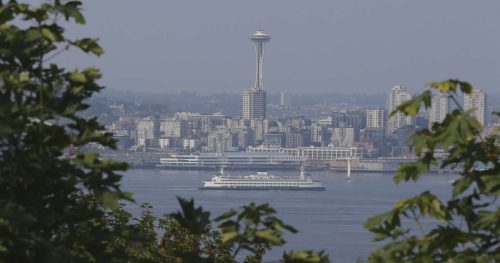
The Bite of Seattle ended in tragedy when a shooting outside the Seattle Center Armory killed three people and injured several more. Vendors and families scrambled for safety while the public waited hours for clear, official information about a possible second shooter. That silence from city officials and law enforcement left people vulnerable and furious.
First responders on the scene deserve credit for stepping into danger and stopping further bloodshed, including officers who arrested a 15-year-old suspect and pulled a wounded child from harm. Yet those brave actions were quickly overshadowed by confusion and a delayed briefing that did little to reassure anyone. The community wanted answers fast, and the system stalled.
No AlertSeattle messages went out, leaving residents and vendors without emergency texts, emails, or calls that could have guided them to safety. People who had a clear line of sight to the shooting received no official direction about whether the area was secure or whether they should shelter in place. That absence of basic communication is inexcusable in a city that claims to prioritize public safety.
The preliminary press conference was held late and seemed mismanaged from the start, with reports that it was delayed because elected officials were supposedly en route to join. Governor Bob Ferguson and Representative Pramila Jayapal were said to be coming, yet they arrived unaware that a briefing was even scheduled. That raises obvious questions about who ordered the delay and why the public was put on hold.
https://x.com/choeshow/status/2081830763054690727
Critics pointed to an even bigger problem: Police Chief Shon Barnes was not in the state when the shooting happened, attending a conference in Dallas, Texas. His absence fed a narrative that leadership was remote at a moment when presence mattered; people wanted a chief on the ground answering direct questions. The scene needed command, not an empty chair.
Reporters pressed the chief about the lapse, and tensions escalated into what some described as a meltdown when he was asked why his leadership wasn’t immediately available. That exchange captured the public’s frustration: when a community is under threat, the expectation is straightforward accountability and quick, clear guidance. Instead, officials offered excuses and confusion.
Seattle officials are facing mounting questions over why the public received no emergency text alert and waited hours for accurate information after a deadly shooting at Seattle Center left three people dead and another suspected shooter at large.
Paul Nicholas, a vendor at the Bite of Seattle, said his booth had a direct line of sight to where the gunfire erupted outside the Seattle Center Armory.
Nicholas said he received no direct updates from Seattle Center, the Seattle Police Department or Mayor Katie Wilson’s office about whether the area was safe, whether police were searching for another shooter or when vendors could retrieve their property.
[…]
Questions persisted Monday over why the public was not told sooner that police were searching for another armed person, even if investigators did not yet know that person’s identity or whereabouts.
The tension spilled into a sharp exchange between Barnes and Connor Nash of the South Seattle Emerald, who pressed the chief over the delay and the lack of basic information available to the public.
Barnes defended the department’s focus on securing the scene and searching for the second person. He also acknowledged that the public needs timely information to make decisions about its own safety.
“The public has a right to participate in their own public safety,” Barnes said. “They can only do that if we get our information out.”
Those words ring true, but actions matter more than rhetoric. A public safety system that hesitates to send immediate alerts undermines trust and puts lives at risk. Officials can talk about rights and information, but the proof is whether the alerts go out when seconds count.
Even after hours passed, the status of a second person of interest remained unclear and security camera footage had not been reviewed publicly, creating an information vacuum. City leaders, including members of the council, admitted they did not have direct answers about AlertSeattle’s nonuse or the timeline for footage review. That kind of shrug from elected officials only fuels suspicion and anger.
Vendors who lost business and families who feared for loved ones demanded straightforward leadership, not evasive statements. When a crisis hits, people expect officials to prioritize immediate safety and transparent communication above image management. Anything less looks like a failure of duty.
Mayor and police office responses that leave open whether the emergency notification system would have been used under those circumstances are unacceptable. Saying “I don’t have the answer to that question” after a night of chaos is not leadership. People deserve better planning, clearer protocols, and leaders who stay in the state when public safety is on the line.
The city also did not activate AlertSeattle, its emergency notification system, to send text messages, emails or phone alerts about the shooting or the search for the second person.
Seattle describes AlertSeattle as its official emergency notification system and says it distributes critical public safety information during emergencies. The city’s Office of Emergency Management calls it the “best way” for the public to receive emergency information. Wilson said she was unsure whether the system would normally be used under those circumstances.
[…]
Councilmember Bob Kettle, who chairs the council’s Public Safety Committee, said concerns about AlertSeattle were legitimate.
“It’s a very good point,” Kettle said.
When asked directly why no emergency alerts were issued, Kettle said, “I don’t have the answer to that question.”
Accountability must follow. The city should explain why the emergency system remained silent and why leadership was physically absent when the public needed immediate answers. Residents deserve a clear plan that ensures emergency notifications and on-scene leadership will not be optional when violence strikes.
What happened at the Bite of Seattle is a brutal reminder that crime has real victims and that public safety systems matter every minute of every day. The officers who acted heroically that night deserve recognition, and the officials who failed to communicate must face scrutiny. People in Seattle want and deserve competent, present leadership that treats public safety as the highest priority.
What a circus.