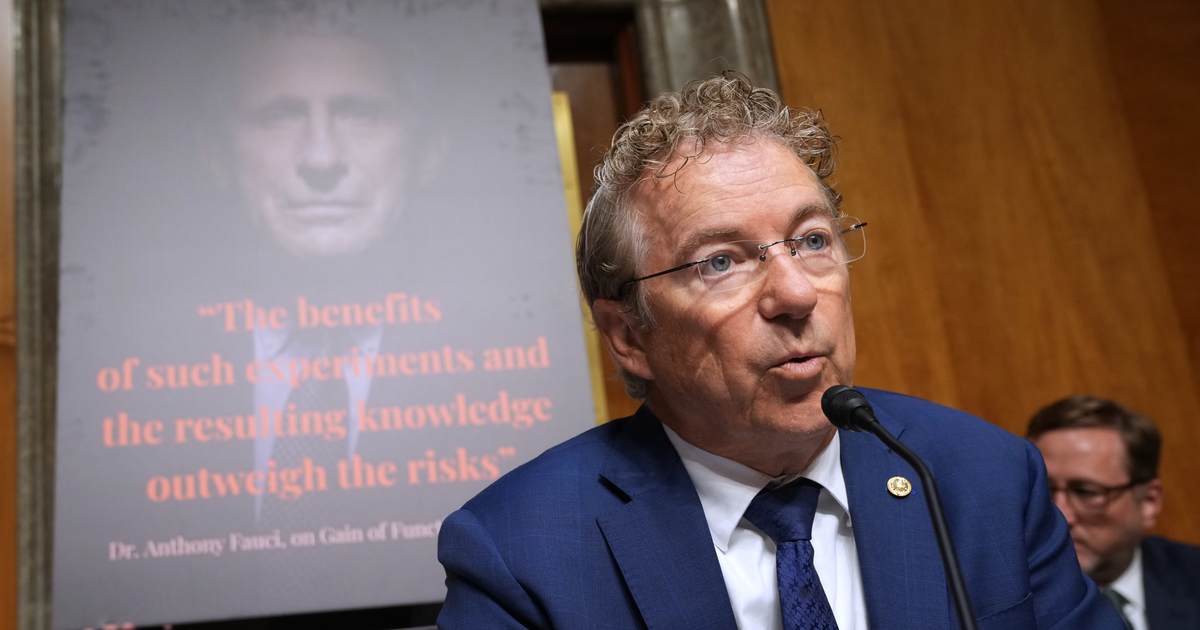
Rand Paul pushed back after Dr. Anthony Fauci repeatedly invoked the Fifth, arguing that a presidential pardon should change the legal picture and setting up a likely contempt referral to the Department of Justice.
Sen. Rand Paul reacted sharply to Fauci’s appearance and left no doubt about his view of the moment. Paul quoted the line, “surprised you that Dr. Anthony Fauci pleaded the Fifth today? Just because we think it’s not applicable due to the blanket pardon he received from brain-dead Joe Biden doesn’t mean he won’t do it. This is an egomaniac, and as we’ve seen often, even with judges, people will do and say whatever, regardless of the facts.” That blunt take set the tone for what comes next.
There are clear legal questions on the table about pardons and the Fifth Amendment that Republicans are pressing in plain terms. Paul pointed out the paradox of exercising the right against self-incrimination after a presidential pardon, and he framed the next move as a straightforward congressional process. The practical outcome being floated is a vote to hold Fauci in contempt, which would send the matter to the Department of Justice for potential prosecution.
Beyond the theater of the hearing, lawmakers and whistleblowers have been raising concerns about conflicts of interest and opaque funding during the pandemic response. James Erdman, a CIA whistleblower, testified earlier and urged investigators to “follow the money,” a line that Republicans have repeated as they probe procurement, research funding, and advisory relationships. Those calls fuel the case that there is more to investigate than a polished hearing and routine deflections.
https://x.com/KatiePavlichNN/status/2082594742697623856
The contempt route is a legal tool, not a headline, and Paul spelled out how it works in hardened, simple terms. He framed the contempt referral as a felony allegation that Congress can refer but not prosecute itself, explaining the constitutional mechanics to listeners. If DOJ takes it up, it turns the political drama into a prosecutorial question that could extend well beyond committee rooms.
So next week, we will vote to hold him in contempt of Congress. That is a felony, and he can be prosecuted. We can’t prosecute him, but we refer him to the Department of Justice.
So there is a question.
Can you plead the Fifth Amendment when you’ve been pardoned?
If you’ve already been granted immunity, how can you be seeking immunity from self-incrimination if you’ve already been granted immunity?
Those quoted questions are the substance Republicans are pushing back with, and they are deliberately simple and direct. The claim is not just that Fauci refused to answer but that his use of the Fifth raises a legal inconsistency after a presidential pardon. That inconsistency is now being framed as the justification for moving toward contempt and referral to DOJ.
Factually, Fauci invoked the Fifth Amendment over 100 times during Tuesday’s hearing, an astonishing tally that even critics said was dramatic. That number feeds political momentum and gives Republicans a clear talking point about accountability and transparency. They argue the country deserves more than evasions when tough questions are asked about policy choices and funding channels during a crisis.
Republicans in and out of Congress are leaning on the courts and enforcement mechanisms to follow through, believing institutions must respond to potential wrongdoing. Paul and colleagues are treating this as a standard constitutional exercise: if someone refuses to answer under oath, Congress can vote to hold them in contempt and refer the matter for criminal review. Expect the debate to stay sharp, public, and politically charged as the next steps unfold.