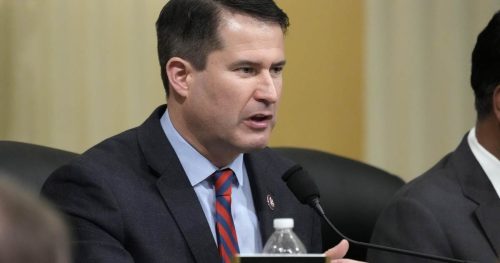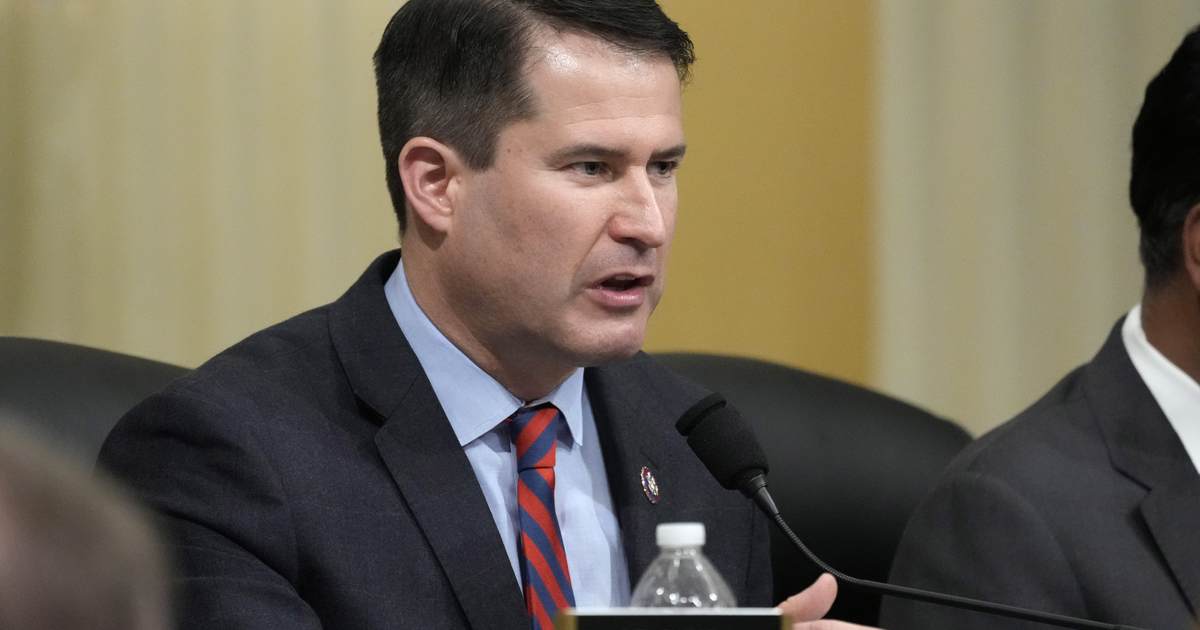
Rep. Seth Moulton defended protecting girls’ sports, then apologized to the trans community, drawing sharp criticism for prioritizing political optics over his daughters’ safety.
After the 2024 election, Rep. Seth Moulton found himself at odds with his party for a simple, commonsense point about safety in girls’ athletics. He spoke up for the idea that biological differences matter when it comes to physical competition, and that statement landed him in trouble with activists on the left. That pushback set the scene for the public retreat that followed.
Moulton put his personal stakes on the table when he said, “I have two little girls, I don’t want them getting run over on a playing field by a male or formerly male athlete, but as a Democrat I’m supposed to be afraid to say that.” He meant to draw a clear line about protection and fairness, but the reaction from progressive circles was immediate and punitive. That pressure appears to have pushed him toward a reversal instead of holding firm.
Facing that pressure, Moulton issued an apology to the very community that had pressured him, and the language was aimed at reconciliation rather than defense. He said, “To the trans community, feeling the weight and the pain of the Trump administration policies, I deeply recognize your trauma. And I’m sorry if my comments hurt you.” The apology read like a reflex to placate activists rather than a reasoned explanation of his position.
The public back-and-forth left many conservatives flat-footed at how quickly a grown politician folded on a statement tied directly to his children’s safety. Wow. Way to fold like a cheap suit. Voters who expect courage from their representatives were treated instead to optics-driven damage control.
Think about the message that sends to girls who play sports and to parents who sign permission slips and drive to practices. Imagine being Moulton’s daughter and realizing your dad was fine with you losing a spot on your sports team or, worse, getting hurt, because a boy felt like he was a girl. That disconnect between a parent’s natural instinct to protect and a politician’s need to avoid intra-party wrath is glaring.
For people who care about fairness in competition, Moulton’s initial remark wasn’t incendiary — it was practical. But for activists who prioritize identity politics, it was an unforgivable breach of orthodoxy, and Moulton paid the price by apologizing. The swift apology did nothing to explain how rules should balance inclusion and safety; it only signaled which side of the political theater he chose to appease.
Critics on the right see this episode as more than a personal stumble; it’s a pattern of Democrats letting activist outrage dictate policy and rhetoric. It’s absolute cowardice. Instead of defending a reasonable policy stance that protects girls, he retreated toward language designed to soothe a specific constituency.
https://x.com/RNCResearch/status/2084430869616365958
Some commentators will frame Moulton’s apology as empathy for people harmed by past policies, and empathy is worth respect. But empathy should not erase commonsense protections or substitute for clear policy thinking. He chose mentally ill men and activists over his daughter. That line captures how many conservatives interpret the substitution of ideology for parental concern.
The episode also highlights how political calculations around President Trump still warp messaging on the left. Moulton invoked “the Trump administration policies” in his apology, tying his retreat to partisan narratives rather than a debate about safety or fairness. When political reflexes lead to concessions on basic protections, voters are left wondering which comes first: principle or party loyalty.
Republican voters will note that when a Democrat politician with a record on other issues decides preserving party unity matters more than protecting his own children, the incentives in our politics are skewed. Elected officials face a trade-off between standing for common-sense policy and keeping their place in the party coalition, and too often they choose the latter. That choice carries consequences for trust and credibility.
This incident with Moulton is part of a larger debate over how we define fairness, safety, and the role of biology in sport. It isn’t settled by slogans or apologies, and it won’t be resolved by politicians who back down when activists shout. The public is already watching how policymakers respond when principle and pressure collide, and that watching shapes votes and trust going forward.