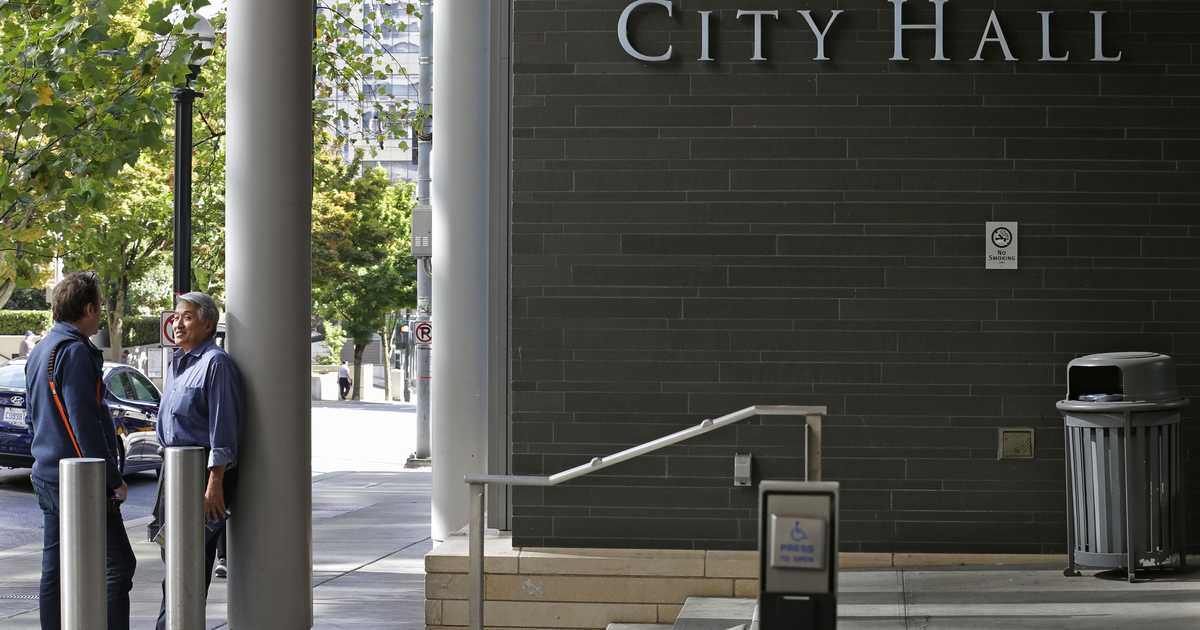
Brandi Kruse, a conservative reporter in Seattle, says she was threatened and intimidated while covering a City Council meeting about a $300,000 allocation for transgender refugees; masked attendees photographed and harassed opponents, prompting concern for safety and police escorts for those leaving the building.
Brandi Kruse showed up to cover a Seattle City Council meeting where officials were weighing a $300,000 allocation for transgender refugees. She wasn’t there to cheerlead; she was documenting what she says was aggressive behavior aimed at opponents of the measure. The scene quickly turned tense, and Kruse found herself in the middle of it with a camera.
According to her account, people who opposed the funding were photographed and verbally attacked as they left the building. The photographers wore masks and shouted at those they targeted, creating a climate that felt threatening rather than merely confrontational. The presence of cameras and face coverings made several attendees visibly uneasy.
That mask choice carried a heavy irony for many who watched the footage and read her reporting. Critics pointed out that progressives often complain about law enforcement taking measures to protect officers’ identities, yet here were masked activists deliberately obscuring themselves while compiling images of private citizens. For observers on the right, the behavior looked less like peaceful protest and more like coordinated intimidation.
The tactics Kruse described drew sharp language from conservative commentators who compared the scene to historical and authoritarian methods of silencing dissent. Words like “Stasi” and “Gestapo” were invoked in conversation about how modern leftist mobs gather information on people they disagree with. The real fear was not rhetoric alone but the potential for doxxing, harassment, or worse once identifying details are circulated.
https://x.com/BrandiKruse/status/2087369265859141649
Kruse says the situation escalated to the point that police and building security intervened to escort some people to their cars. Those who had opposed the measure reported being followed and filmed, and they accepted an escort rather than risk a confrontation in the parking area. That intervention suggests even city security perceived a credible risk to personal safety.
She also described one individual as appearing “masked up like an IRA member from the Troubles” and called that person mentally unstable. That image stuck with viewers because it captured both the theatricality of the mask and the raw intimidation it caused. For many conservative watchers, it confirmed fears that certain activist tactics have crossed from protest into harassment.
The whole episode raises practical questions about the balance between citizen journalism and safety in volatile public settings. Reporters are supposed to bear witness, but they also expect a baseline of protection when they do their work. When attendees become the target of organized harassment, it chills public participation and threatens the open exchange a council meeting should allow.
Beyond the immediate scene, the meeting feed into a broader debate about public policy and the rhetorical environment around it. Seattle’s progressive leadership drew criticism from residents who say the city’s priorities and methods are out of step with ordinary citizens. For those paying attention on the right, the incident was another example of how political disputes are increasingly fought through social pressure tactics rather than open debate.
Whatever one thinks of the proposed $300,000 allocation, the conduct at that meeting left a lasting impression: a small number of masked activists using cameras to intimidate opponents, a reporter who felt unsafe documenting events, and a police escort that underscored the seriousness of the situation. The images and accounts from that night will keep circulating as both a cautionary tale about civic behavior and a flashpoint in the ongoing cultural conflict playing out in city halls across the country.