This article outlines the University of Akron’s season-ticket promotion, the mechanics of entry, key dates and prices, and the questions it raises about attendance and on-field risk.
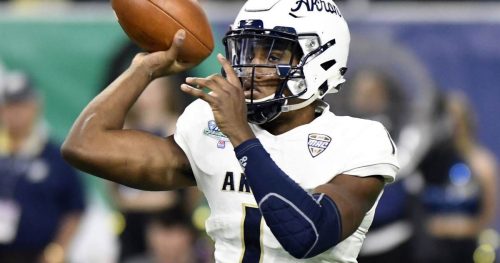
The University of Akron is running an unusual season-ticket promotion for the 2026-2027 college football season that makes season-ticket holders eligible for a drawing to act as the offensive coordinator for the team’s opening drive in the first game. Tickets are priced as low as $75 depending on seat location, and the program offers additional entries for referring new season-ticket buyers. The drawing is scheduled for August 19, and the promotion is tied directly to the Sept. 12 kickoff for that opener.
Tickets already appear limited, in part because Akron’s football program has struggled in recent years and demand is uneven. A low base price like $75 lowers the barrier to entry but does not guarantee in-person attendance across the season. The referral mechanic is clearly designed to boost the total pool of ticket holders quickly before the drawing date.
From a simple revenue perspective, the school could net meaningful cash from a low-cost promotion if it increases season-ticket counts, and the organizers may be counting on that. The article notes that the promotion “made them a few hundred thousand dollars” at best, which frames the initiative as a short-term income play. Whether that revenue offsets the optics of sparsely filled stands is central to how this move will be judged.
https://x.com/ZipsFB/status/2084704539970535852
Attendance and atmosphere are serious considerations for any program, and a promotion that inflates ticket counts without driving people to the stadium can leave games looking empty. Even if thousands of tickets are sold, many seats may remain unoccupied during the season, reducing home-field energy. For a program like Akron’s, the trade-off between immediate ticket revenue and long-term fan engagement is not obvious.
There is also the on-field risk to weigh. Akron could theoretically lose its opener, and history shows that FBS schools can fall to FCS opponents, especially in unpredictable seasons. The piece mentions that in 2024 Akron eked out an 11-point win over an FCS opponent, a reminder that close calls and upsets are possible. Handing play-calling duties, even briefly, to a non-professional adds a layer of uncertainty to the team’s first-game preparation.
Operationally, letting a fan influence an offensive series raises questions about competitive integrity and player safety, though the mechanics of the promotion may limit any real impact. Teams could restrict the fan’s options or script plays to protect the offense and players, and staff would likely retain final authority on play selection. That said, the spectacle of a ticket-holder calling plays is the promotion’s selling point and what makes it newsworthy.
Promotions like this are part marketing stunt, part community engagement strategy, and part novelty entertainment, and Akron’s plan fits all three boxes. For some fans, the chance to be part of a game-day moment is a fun draw; for others, it could look like desperation from a program seeking attention. The effectiveness of the stunt will depend on execution, the fan experience on Sept. 12, and whether it translates into longer-term support.
Critics will point to the risk that the gimmick could backfire if the team performs poorly or if attendance remains low despite the ticket sales bump. Supporters will argue that creative offers are necessary for programs that struggle to fill seats and maintain visibility. Either way, the August 19 drawing and the opening-drive moment on Sept. 12 will be the decisive events that show whether the gamble had value beyond short-term revenue.
Ultimately, the promotion is a calculated choice by Akron to convert interest into immediate ticket revenue while offering a memorable experience to winners. Whether the move proves clever or ill-advised will hinge on game-day results, crowd turnout, and the reaction of the broader fan base over the course of the season. Expect debate about the balance between marketing creativity and the fundamentals of building sustained fan engagement.