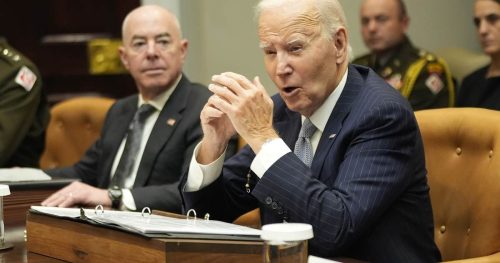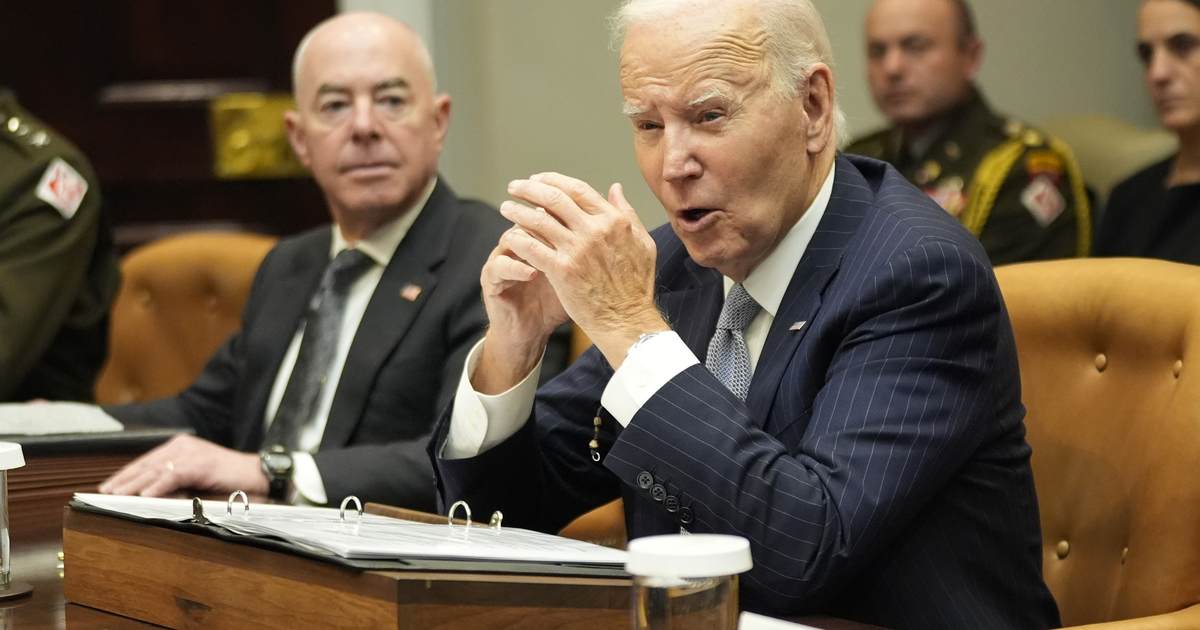
Newly released recordings between Joe Biden and his ghostwriter, Mark Zwonitzer, have surfaced and confirm Biden discussed classified materials; the tapes sparked a legal fight that ended with a 2-1 D.C. Circuit ruling to disclose them, and investigators say Zwonitzer later deleted recordings after a special counsel was appointed.
The recordings mark a concrete piece of evidence in a story that’s unfolded for months. Former President Joe Biden’s conversations with Mark Zwonitzer, made while working on Promise Me, Dad, show Biden acknowledging possession of sensitive documents. That admission helps explain why public moments, like the February 2024 presser, felt so off to so many observers.
Special Counsel Robert Hur’s portrayal of Biden as a “sympathetic, well-meaning, elderly man with a poor memory” appears throughout the investigative record. That language matters because it signals how the department weighed mitigation when considering charges. Even legal analysts who once worked in the DOJ have said the tapes put Biden close to criminal exposure, given the admissions on tape and the surrounding facts.
There was a months-long legal tussle over access to this material, centered on a FOIA request from a public-interest group against the president’s legal team. On July 21, the D.C. Circuit issued a 2-1 decision in favor of disclosure, moving those recordings into the public sphere. That ruling is a key legal pivot: it forced a contested set of documents and interviews into daylight where they could be scrutinized.
https://x.com/RNCResearch/status/1755774204991906084
After the special counsel was appointed, Zwonitzer told investigators he deleted digital files of his conversations with Biden. He claimed fear of being hacked as the reason for wiping recordings, a timeline that raises eyebrows given how central the tapes became to the inquiry. The deletion has left gaps investigators and the public are forced to piece together from transcripts and what remains on record.
The ghostwriter of President Biden’s memoir told federal investigators he deleted many recordings of his conversations with Biden after a special counsel was appointed to investigate the president, according to a partial transcript of the interview obtained by Axios.
Writer Mark Zwonitzer said he erased the recordings because he was afraid of being hacked, the transcript says.
Why it matters: Biden’s transcribed conversations with Zwonitzer were among the most damaging evidence in special counsel Robert Hur’s investigation into Biden’s handling of classified documents.
In his final report, Hur highlighted Biden telling Zwonitzer in February 2017 — just after he left office as vice president — that he “just found all the classified stuff downstairs.”
Hur wrote that “evidence supports…[Biden] was referring to the same marked classified documents about Afghanistan that FBI agents found in 2022 in his Delaware garage.”
Driving the news: In a July 2023 interview, Zwonitzer told investigators that he had tried to delete the audio of all his conversations with Biden months earlier, according to the transcript which Bloomberg News first reported.
Zwonitzer said he erased files in the weeks after Hur was appointed in early January 2023.
The block of material above is central because it links a documented Biden statement to the physical evidence the FBI later found in Delaware. Those lines are not abstract political spin; they are specific recorded comments and prosecutorial findings that pushed the inquiry forward. For Republicans and anyone demanding accountability for mishandled classified material, the sequence of admissions, deletions, and recovered documents fits a troubling pattern.
There are still unanswered questions about what else Zwonitzer recorded and why those files were removed when they were. Deletion of potential evidence, even if done by a private writer and not the subject himself, complicates an investigation and raises obvious investigative and ethical issues. The public record now includes transcripts and the surviving materials, but the missing audio will keep driving debate over what was known, when, and by whom.
Legal commentators on both sides have been parsing the practical meaning of the tapes and Hur’s summary, but the core facts are straightforward: conversations happened, admissions were made, and decisive legal action forced disclosure. That sequence has already reshaped the narrative around how classified material was handled and who knew what, when. The tapes and the court’s decision to release them guarantee the story will stay in the spotlight as missing pieces and motives are debated.
For now, the record that exists is clear enough to matter: specific statements tied to physical documents were captured in interviews, and those interviews now sit within a public, judicially ordered file. The consequences of those disclosures will keep playing out in legal, political, and public forums as interested parties examine the timeline and the choices made by involved figures.
Full recording here: